 Berom Breed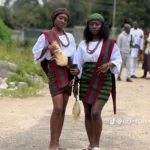
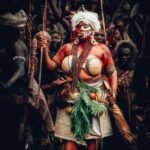
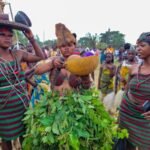
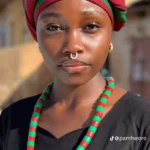
By: Berom Breed
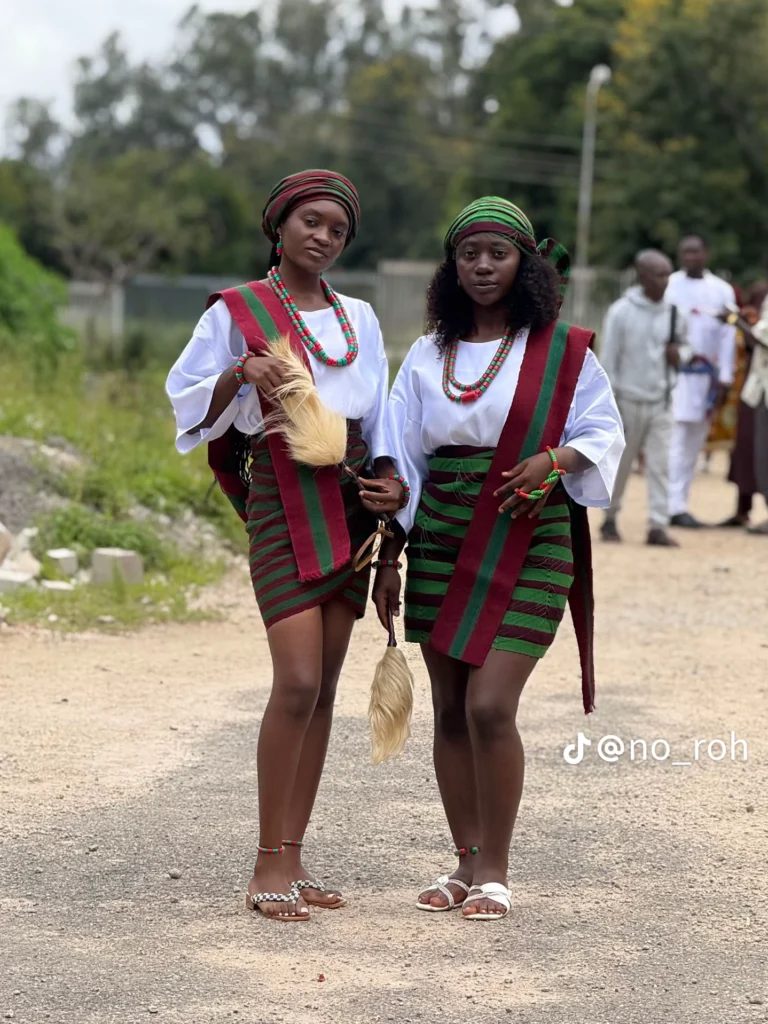
Berom pre-colonial religion rested on ancestral veneration, spirit shrines, seasonal rites (planting, harvest, hunting festivals), and a cosmology tightly bound to agricultural cycles. Missionary Christianity (and later formal institutions) profoundly reshaped Berom spiritual life, often absorbing or reinterpreting indigenous festivals into cultural rather than overtly religious events (example: consolidation into Nzem Berom). Nevertheless, traditional beliefs persist in folk cosmology, customary ritual practices, and in certain community ceremonies and healing practices.
Pre-colonial cosmology and ritual calendar
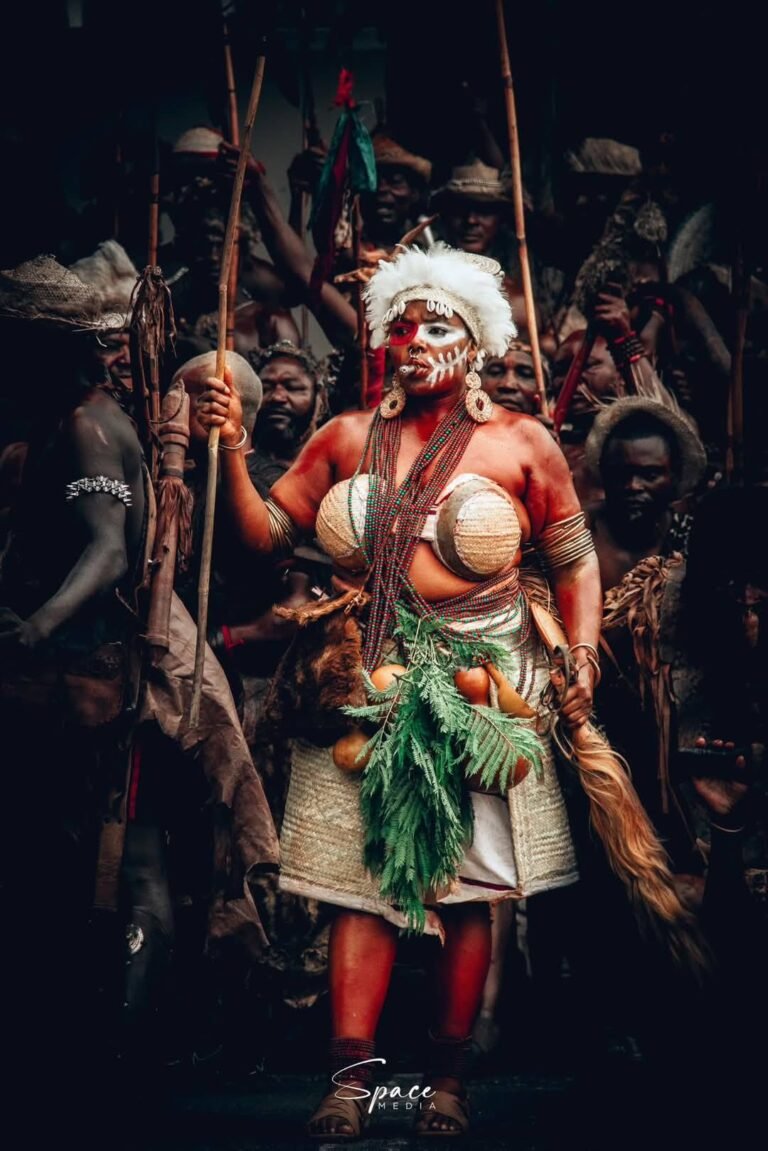
Berom life was organized around seasonal festivals that regulated agricultural and hunting cycles: Mandyeng (rain/planting rites), Nshok/Badù (harvest/hunting), Tyǐ and Búná/Vwana, among others. These ceremonies included masked dances, communal feasting, and rites to ensure fertility of land and herds. Ethnographic records show diverse ritual specialists, village shrines, and local taboos tied to land and lineage. �
Shrines, spirits, and social roles
Shrines and ancestral spirits played regulatory, protective, and adjudicative roles within villages. The authority of elders and lineage heads intersected with ritual leadership; festivals also functioned as redistributive social moments and as mechanisms for inter-village cohesion. Roger Blench and other researchers analyze the symbolic content of Berom ritual, including animal symbolism and mythic motifs. �
Missionary impact and Christianity’s expansion
From the late 19th and early 20th centuries missionaries (ECWA, Catholics, COCIN among others) introduced formal education, healthcare and written literacy in local languages. Over decades the majority of Berom people converted to Christianity; contemporary estimates in various sources suggest large majorities (often reported as >90% in some community contexts) identify as Christian, with Anglican/Catholic/COCIN presence strong in Beromland. Christianization transformed ritual calendars, repurposed some festivals as cultural events (e.g., Nzem Berom’s reconfiguration) and created new institutions (church schools, Bible translation) that now anchor language and identity. �
Traditional practices that persist / syncretism
Despite near-universal Christian affiliation in many Berom communities, elements of traditional belief linger: folk healers, ritual taboos, the cultural framing of certain festivals, and community-level rites of passage. Anthropological studies observe syncretism where ritual idioms are redeployed in Christianized contexts or practiced unofficially in private/local settings. �
Cultural re-framing: Nzem Berom and living heritage
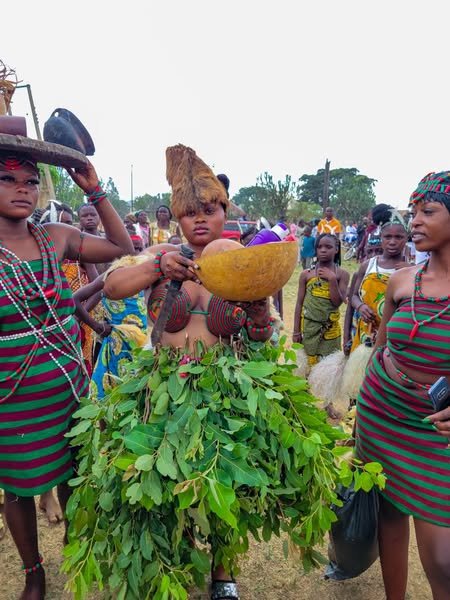
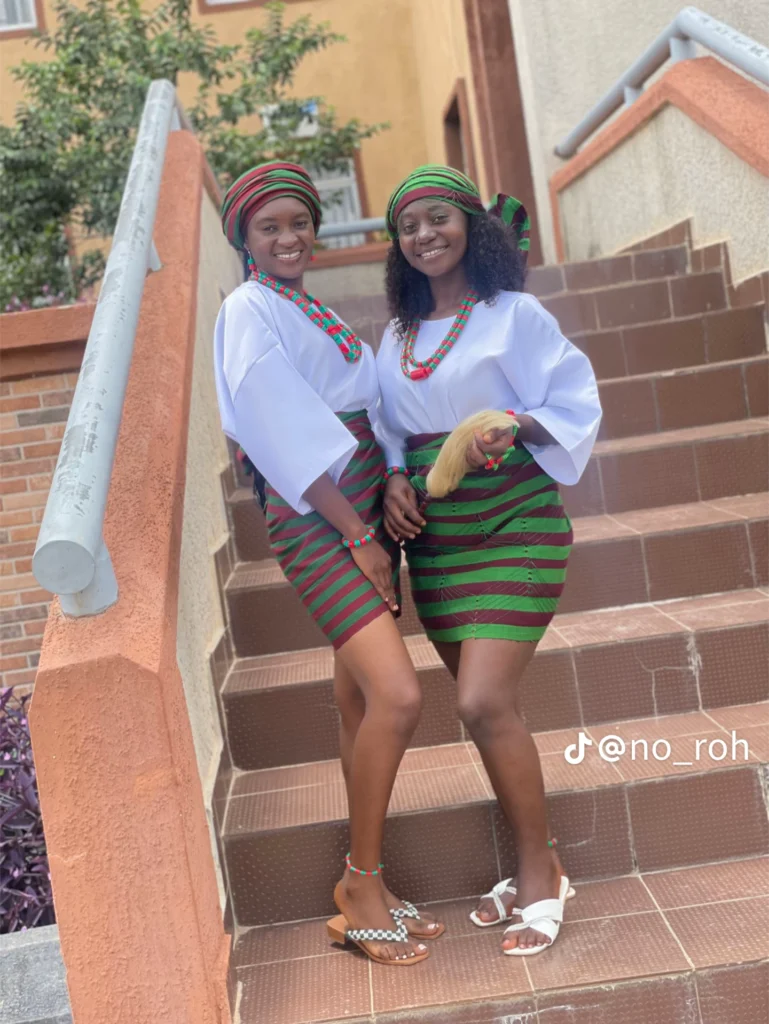
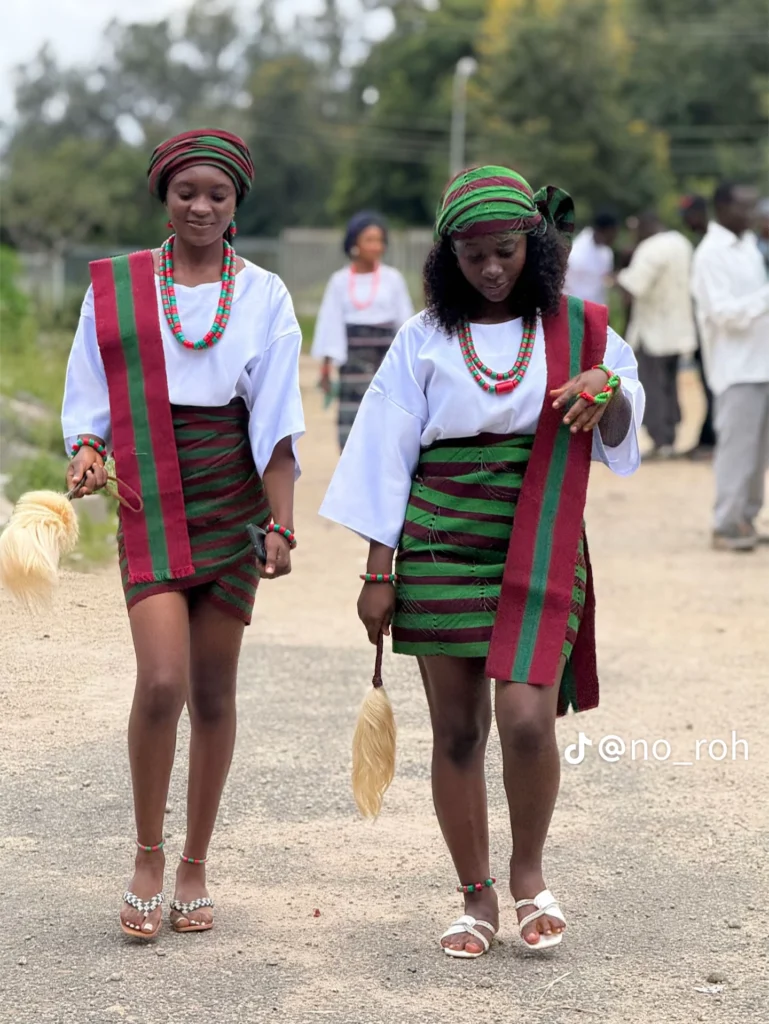
To prevent cultural loss, leaders consolidated multiple seasonal rites into the modern Nzem Berom festival (first celebrated around 1980/81), which functions as a living heritage event emphasizing music, dance, dress, and crafts while keeping much of the ritual performance distinct from church liturgy. Nzem Berom today is an annual public showcase (stadium gatherings, cultural competitions) that both asserts identity and draws tourism. �
Sources
Wikipedia / Berom cultural overview (festivals list, Christianization notes). �
Wikipedia
BECO historical/cultural descriptions and Nzem Berom background. �
Newspaper and festival coverage (e.g., Tribune, local outlets with Nzem Berom reporting). �
Tribune Online +1
Academic analyses: Roger Blench and peer literature on Berom religion and syncretism. �
About the Author