 Berom Breed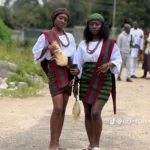
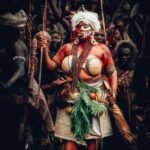
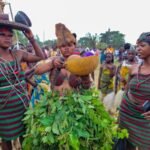
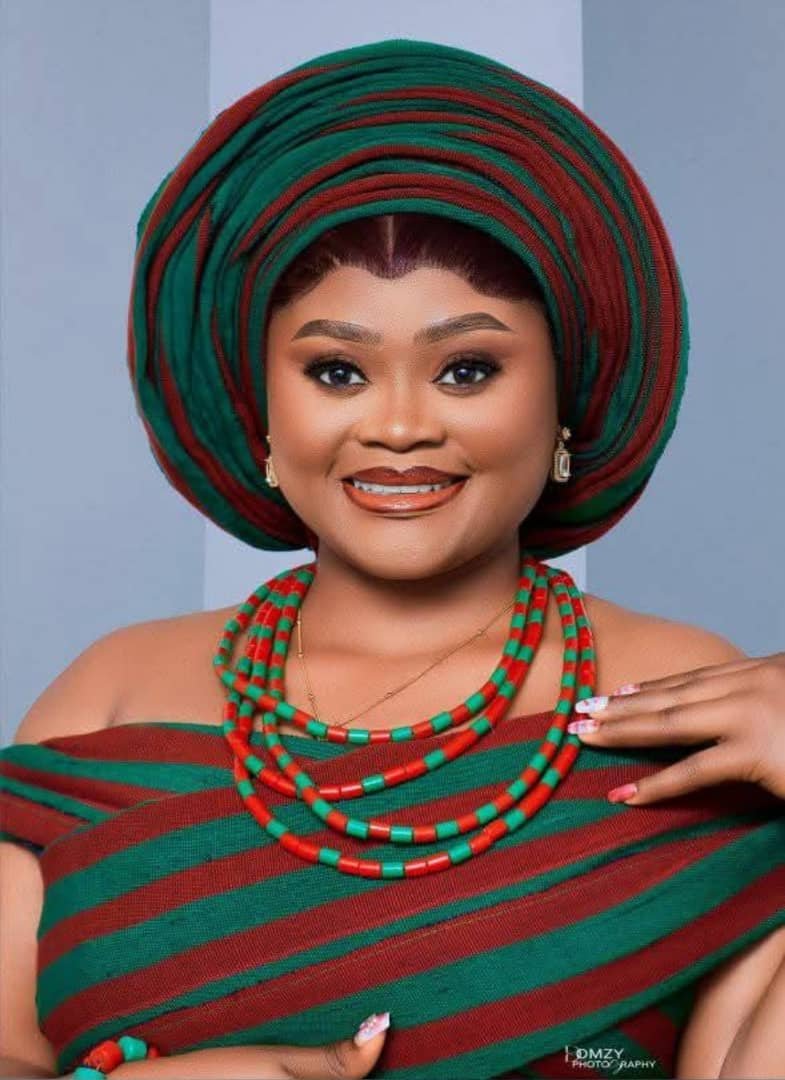
The Berom people of Plateau State, Nigeria—spanning the districts of Jos, Barkin Ladi, Riyom, and beyond—share a deeply rooted tradition when it comes to marriage. Like their language, attire, and beliefs, Berom marriage customs are rich, symbolic, and communal.
This sacred rite is not just about two individuals; it is about two families, two histories, and the forging of an enduring bond under the guardianship of ancestral wisdom. A Berom marriage is a cultural festival where love, family honor, and community celebration meet.
- Dating: A Communal Affair Guided by Love and Wisdom
In Berom culture, choosing a life partner is not solely left to the couple. While love (simi) is valued, families play an active role in guiding and approving the relationship.

Types of Courtship
Family Bonds & Elder Agreements: Courtship may begin with long-standing relationships between families or through mutual agreements among elders who recognize the suitability of a union—even before the children are fully aware.
Personal Choice: A young man may choose a girl he admires. He informs his parents, who then approach the girl’s family to inquire about her background. The girl’s consent remains vital.
Infant Betrothal: In rare cases, a father may arrange a union for his infant son, entrusting a woman to him. This practice, however, often leads to emotional strain when the grown son refuses the match due to the age gap.
Cultural Boundaries
Purity During Courtship: Sexual relations before marriage are forbidden. If violated, both parties must undergo Pa Chit, a cleansing ritual involving the sacrifice of a goat. Without it, misfortunes such as recurring child mortality were believed to follow.
Exclusive Anointment: A serious suitor performs Mono hwon de nei (the anointing rite), a spiritual act that reserves the girl for him, discouraging other suitors.
- Engagement: Families Speak in Proverbs and Tradition
Engagement is a formal meeting between the two families. Elders speak in metaphors and proverbs to discuss the budding union.
The boy’s father might declare:
“I have a he-goat that has taken interest in your she-goat. I’d like your she-goat for my home.”
Once accepted, a kola nut (Dyek) is broken and shared—sealing the agreement with symbolic authenticity.
The Courtship Phase
From this moment, the man begins a long process of gift-giving and service:
Mandyen: General gift-giving.
Hwono: A goat slaughtered annually for five years, with the meat given to the in-laws.
Farm Service: The suitor works on the girl’s family farm for at least three years, proving diligence.
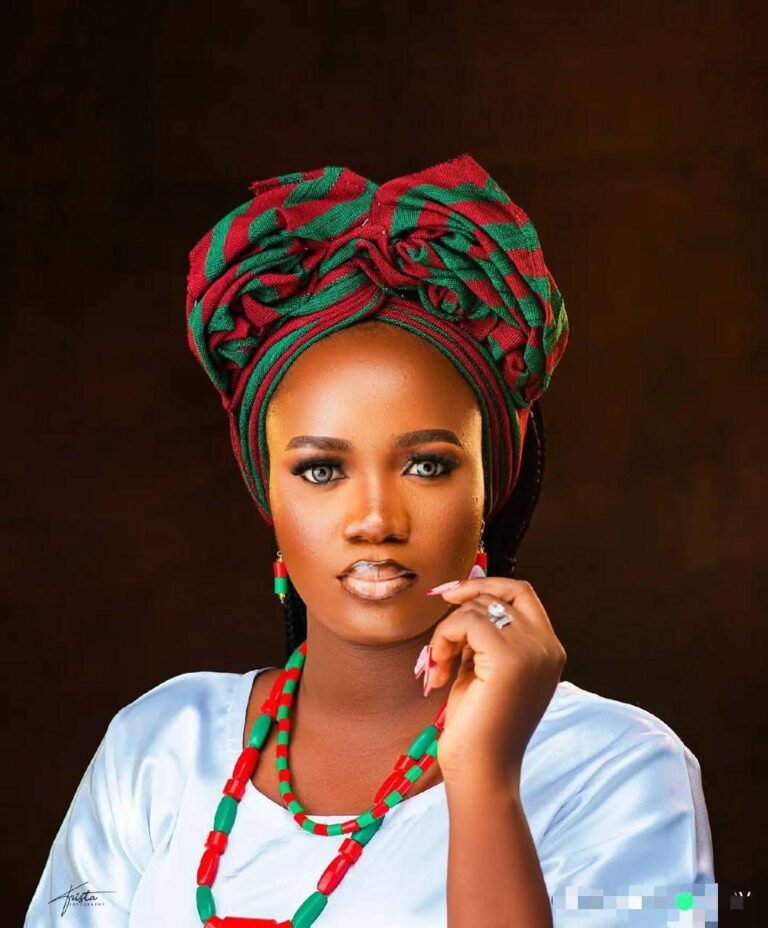
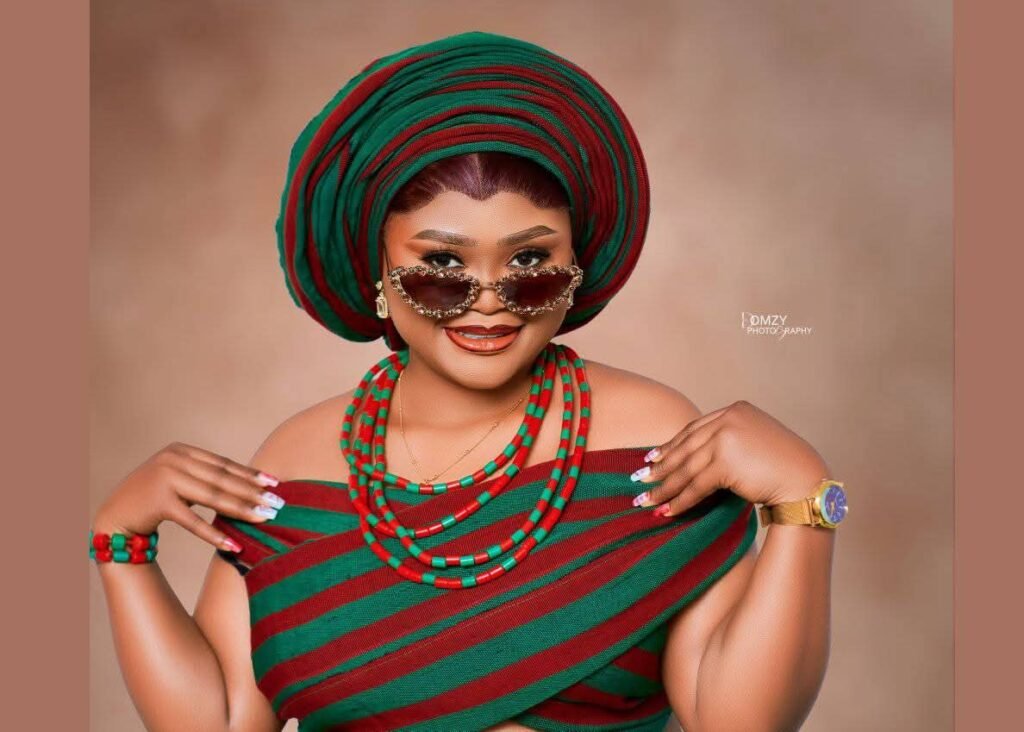
Personal Gifts for the Bride: Items such as cloth (Belel), waist beads, bangles (Nerwei Vo), necklaces (Lyele Fwo), raffia skirts (Manzon), and head ties (Erwan).
- Dowry: A Symbol of Honor, Not a Price Tag
Traditionally, a Berom dowry consisted of one live horse and six goats. Today, it has been monetized, but its significance remains unchanged: it honors the bride’s family, not as a purchase but as respect.
If Dowry Is Unpaid
Children from such unions belong to the girl’s family until dowry and penalties are settled.
Agreements may be drafted, witnessed by elders and the village head, to ensure rights and obligations.
Customary Dowry Agreement (Summary)
A written contract may include:
Bride Price: ₦32 for a virgin bride, ₦22 for a previously married woman.
Non-Refundable Obligations:
Hwono (goat meat) – 5 years
Dilo (drinks) – 5 years
Dyam Chap (farm money) – 5 years
Dyam Weneng (marriage money) – 1 year
Dyam Be De Behwong (mother-in-law gifts)
Dyem Duk Tok (educational support)
Dyem Sogo Hwong (ceremonial fees)
These terms safeguard family honor and help regulate inter-tribal marriages involving Berom daughters.
- The Wedding Ceremony: A Festival of Joy
When all requirements are fulfilled, the wedding itself becomes a cultural festival marked by joy, dance, and feasting.
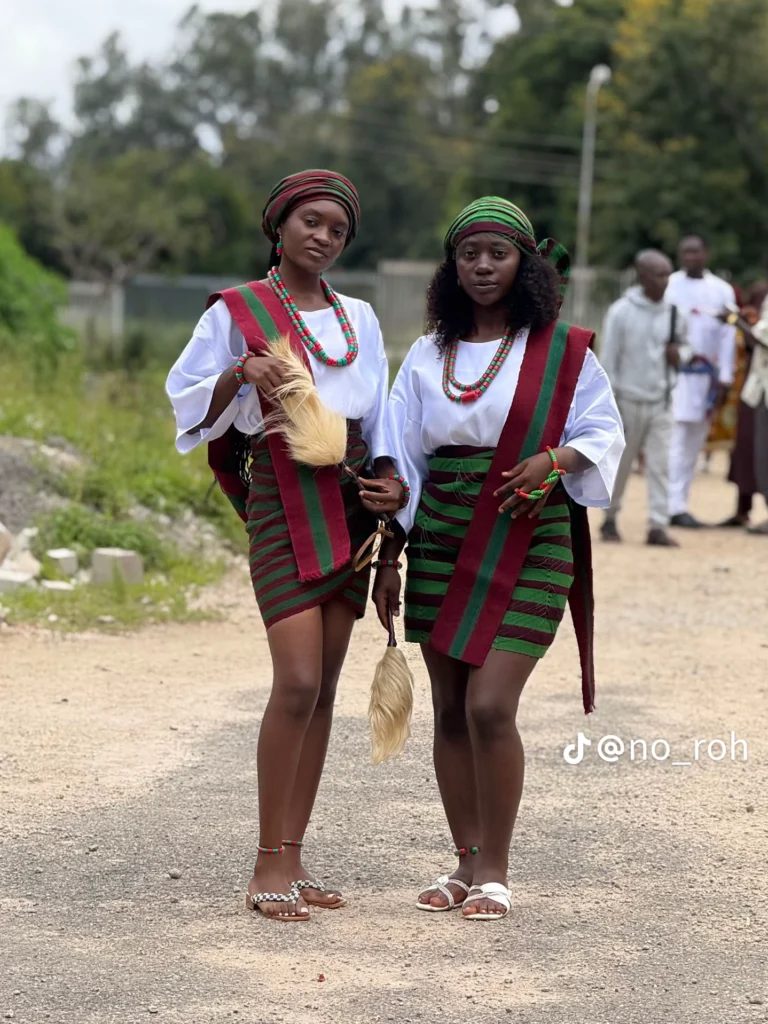
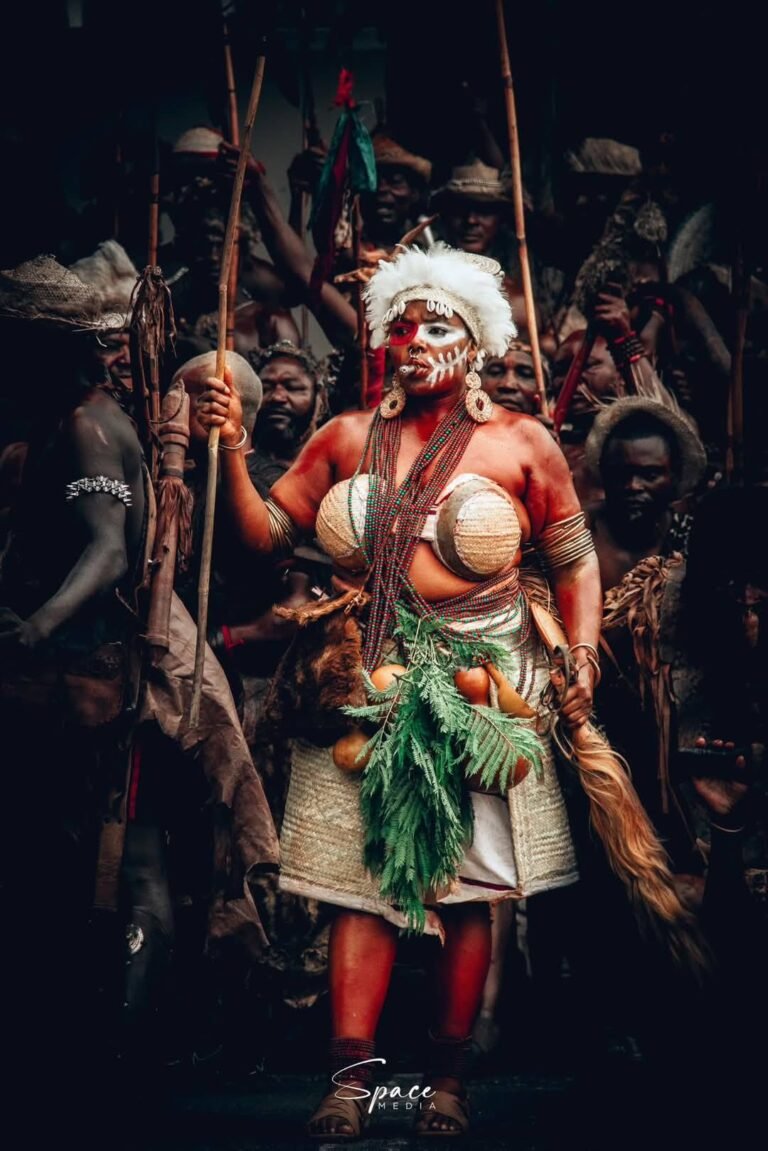
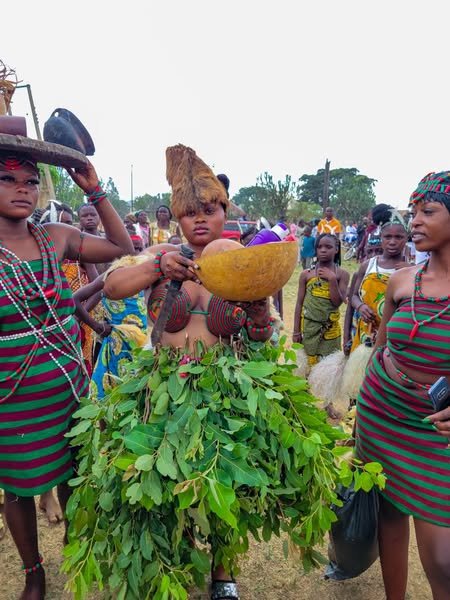
Attire: The bride wears colorful woven fabrics, beads, and sometimes raffia skirts. The groom and his family dress in bright traditional outfits, often coordinated in color and style.
Music: Traditional drums, flutes, and rattles set the rhythm, while singers perform folk songs celebrating the couple. Today, these are sometimes blended with gospel or modern music.
Dance: Group dances, especially the famous Nzem Berom style, are performed. Women dance gracefully in circles while men display energetic steps of strength and pride.
Food & Drink: Delicacies such as acha (hungry rice), tere, nama dyara etc are served. Locally brewed burukutu (from guinea corn) adds to the merriment.
- Post-Wedding Customs
Traditionally, the bride does not immediately share her husband’s room. Instead, she spends a few weeks in her mother-in-law’s room, symbolizing mentorship and acceptance into her new family.
After this period, she is finally allowed into her husband’s room. Historically, the groom was expected to throw out an animal hide carrying blood, symbolizing proof of virginity. Though considered controversial today, it was once a mark of honor. - Modern Shifts
With education, Christianity, and modernization, many of these customs have evolved. While dowry agreements, gift-giving, and community feasts remain central, the virginity rites and long farm service are less emphasized. Today, Berom weddings often blend traditional rites with church weddings and modern receptions.
Conclusion: A Culture That Honors Love and Legacy
The Berom marriage tradition is more than a union; it is a journey. It weaves together love, family, responsibility, and ancestral heritage into a living testimony of identity.
Though modernization has reshaped some practices, the essence remains: marriage in Berom land is a celebration of unity, continuity, and culture, ensuring that each couple’s love story contributes to the larger heritage of their people.
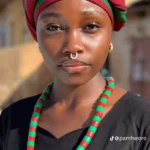
Piece: Berom Breed
Model: Davou Clara
Home #Berom #Heritage #BeromBreed #Unity #Plateau #culture
About the Author