 Berom Breed

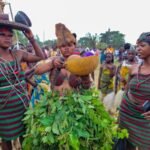

Under the Hills of Riyom
by:BeromBreed

The Jos Plateau is not just land it is memory. It is the red earth where ancestors walked, the rocky hills of Riyom that guard secrets, and the voice of drums that call generations back to their roots.
It was here, in this land of stone and story, that the paths of Bot Gyang and Peremo Chundung crossed.
The Meeting at Nzem Berom
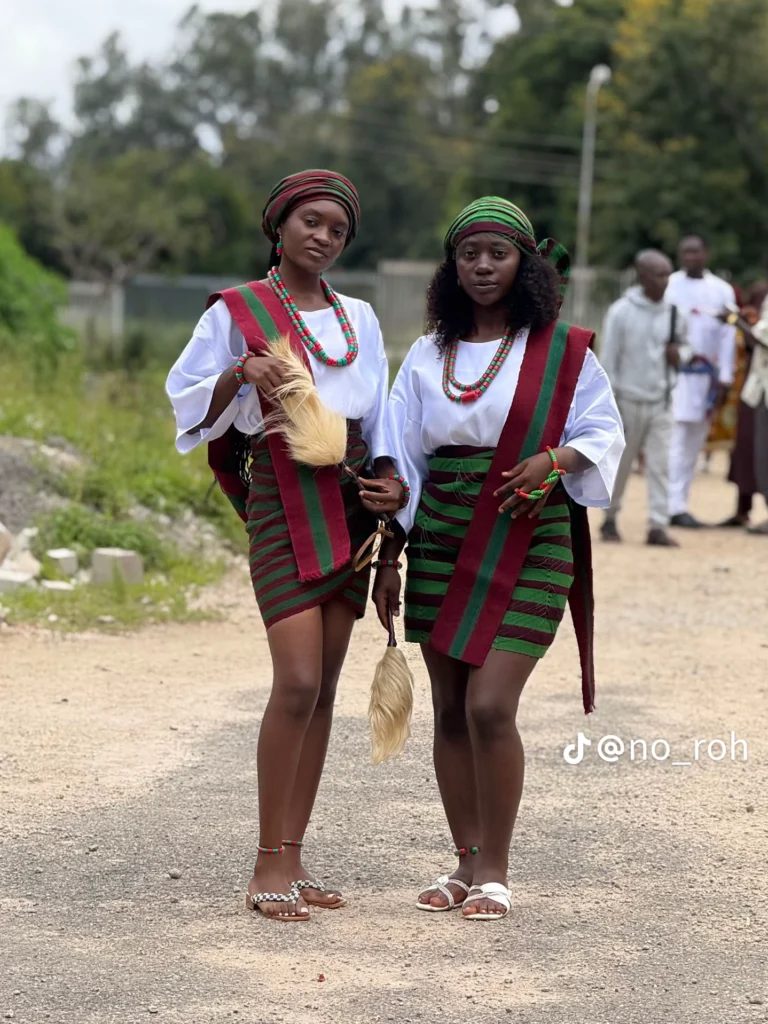
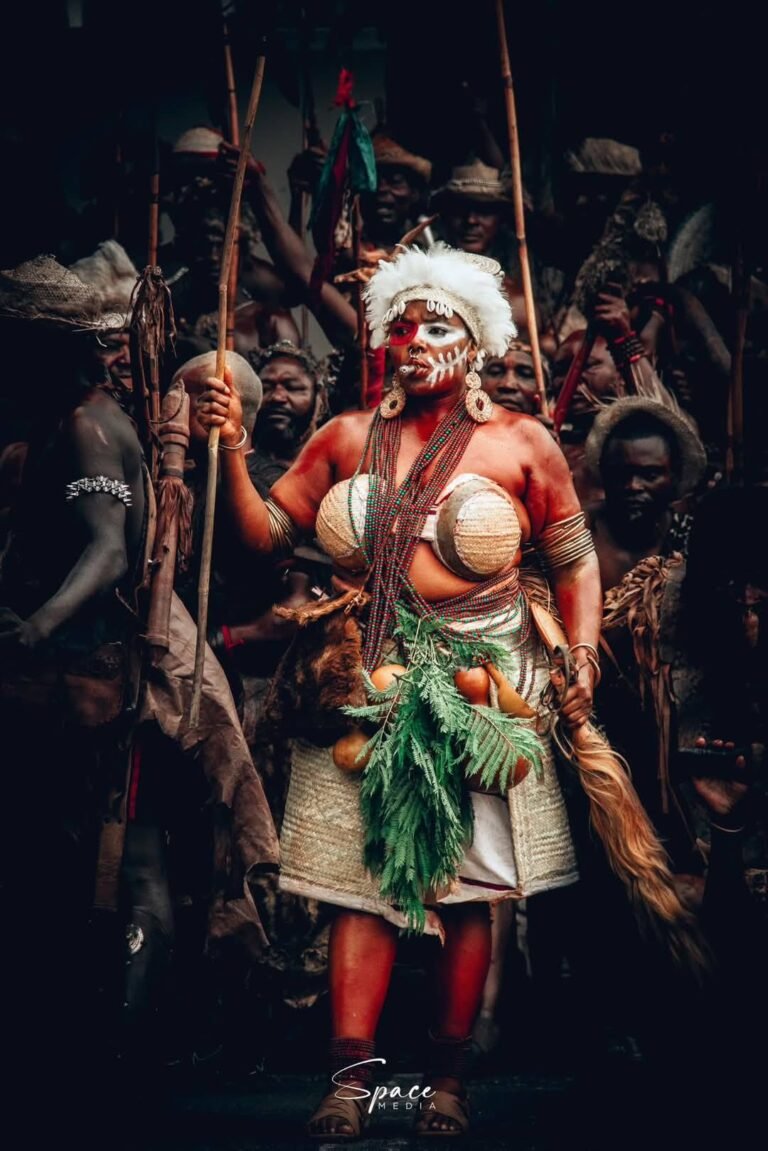
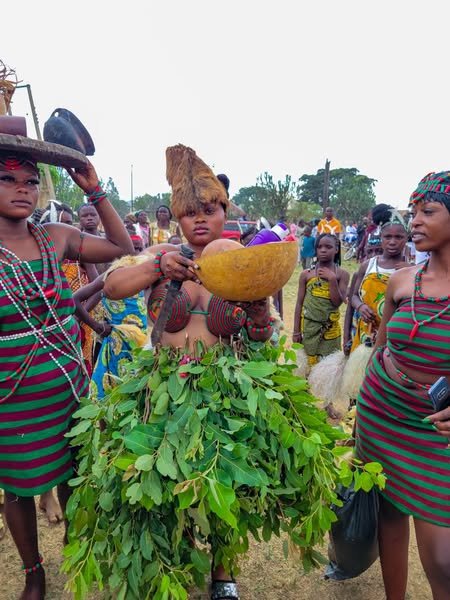
The air was alive with rhythm at the Nzem Berom Festival. Women in bright ashì cloths danced in circles, beads glistening on their necks, while men struck the gwashak drums with thunderous hands. The young gathered to showcase strength, beauty, and pride in culture.
Bot, a quiet young man from Kwi, stood at the edge of the festival ground, his heart pounding harder than the drums. He was the son of a farmer, known more for his endurance than his words.
Then he saw her—Peremo Chundung, daughter of Da Dalyop from Vwang. Her steps were light, her smile brighter than the evening sun reflecting off the hills. She danced not just with her feet but with her soul.
Bot whispered to his friend:
“That is the one. Even if Riyom rocks fall, my heart will not change.”
But he knew her world was far above his. She was the daughter of a wealthy cattle owner whose family prospered from tin trade. He was only a farmer’s son. Still, something inside him refused to let the thought die.
The First Approach
Later that evening, as the dancers rested, Bot gathered courage and walked toward her. He greeted her in Berom:
“shou Peremo. Dagwi a te ho nerat.”
(Good evening, Peremo. May God bless you.)
She looked at him with curiosity. “And who are you?” she asked with a playful smile.
“I am Bot… son of Gyang. I may not have riches, but I have land, strength, and a heart that beats only one rhythm.”
Peremo laughed, shaking her head. “You are bold. But my father decides such things. And my father dreams big for me.”
Bot bowed his head but replied softly, “Even a poor man can dream big when the dream is love.”
Something in his words stayed with her that night.

The Resistance
Weeks later, Bot’s family performed the introduction visit. Elders from his side, carrying kola nuts and gourds of burukutu, walked the dusty path to Peremo’s home.
But Da Dalyop’s face hardened when he heard the proposal.
“A farmer’s son? My daughter will not eat from hardship. She is meant for comfort.”
Bot’s heart sank when the message reached him. He knew what it meant: rejection. Yet he also knew the history of his people. The Berom had faced worse—colonial displacement, forced labor in the tin mines, and battles for survival. His father often said:
“The Berom man does not stop climbing, even when the hill is steep.”
Bot decided he would not give up.
The Secret Meetings
Peremo was torn. She respected her father, but her heart kept returning to the quiet young man who spoke with fire in his eyes.
One evening, she sneaked out to meet Bot near the Riyom rocks. The moon was bright, casting shadows as though the ancestors themselves were watching.
“Why do you keep coming back?” she asked him.
“Because love is like acha,” Bot replied. “It may look small, but it sustains nations.”
Peremo smiled, touched by his persistence. But fear lingered in her voice:
“My father will never allow this. He believes wealth protects a daughter.”
Bot took her hand. “Then let us build wealth together. The land will provide. The same way our ancestors farmed and endured, we too will endure.”
Their meetings continued in secret. The village whispered, tongues wagged. Some praised their courage; others called it foolishness. Suspense hung in the air—would they be discovered?
The Turning Point
One night, Da Dalyop heard of their secret meetings. Furious, he summoned Peremo.
“You shame me! You are the daughter of Dalyop, not a wanderer’s child. If you follow this man, you will no longer be my daughter.”
Tears filled Peremo’s eyes, but her resolve grew. She remembered the stories of Berom women who resisted colonial taxes in 1945, who stood by their men with courage. She chose love.
That same night, she and Bot met under the shadow of Wase Rock. With the stars above, they swore an oath.
“No matter who stands against us, our love will be as strong as these rocks.”
But the risk was high—if her father cast her out, she would lose everything.
The Victory of Love
Bot worked tirelessly, joining new cooperatives that grew potatoes and acha for trade. Slowly, people began to see he was not just a poor farmer’s son, but a visionary.
The whispers reached Da Dalyop. Reluctantly, he admitted:
“Perhaps courage is also wealth.”
At last, he gave his blessing.
The wedding was a grand affair. Drums thundered, hunters fired rifles into the air, women sang praises of love that defied odds. Guests feasted on acha porridge, tuk chun di lyang tau, and bwurik chun, nama dyara.
The hills of Riyom stood tall, as if guarding the vows of two hearts.
Legacy
Their story spread across villages as a lesson. Love, in Berom land, is not just about wealth or power. It is about resilience—the same resilience that has kept the Berom people standing for centuries.
As the elders say:
To be Berom is to remember and to endure.
Cultural/Historical Truths woven in:
Nzem Berom Festival is real.
Ngasango (introduction) and Kibit (bride price) are real steps in Berom marriage.
Berom people resisted colonial taxation and tin mining injustices in the 1940s.
Farming of acha and potatoes is a true Berom heritage.
Wase Rock & Riyom Rocks are real symbols of Plateau history
About the Author