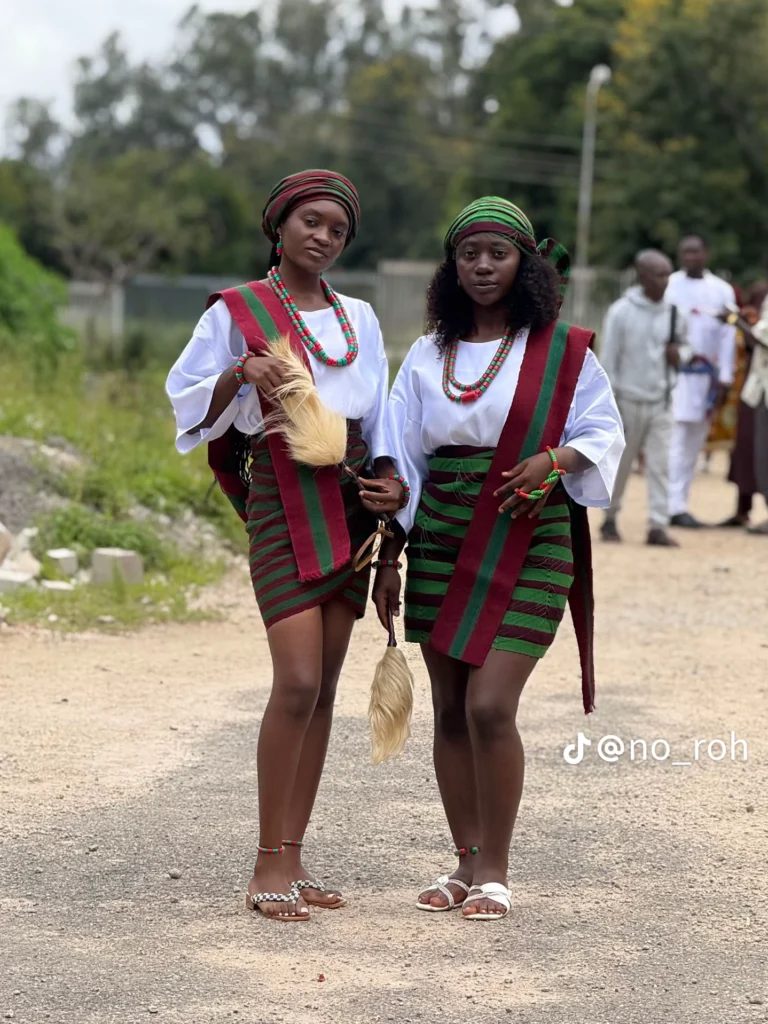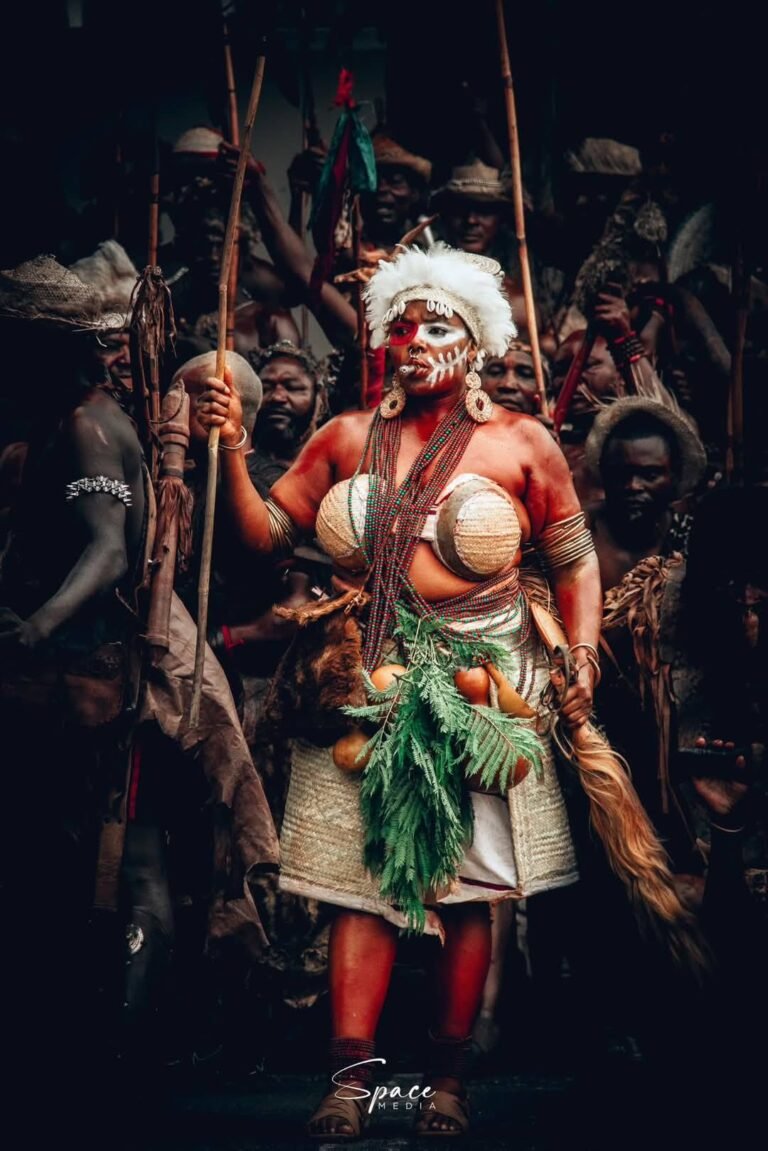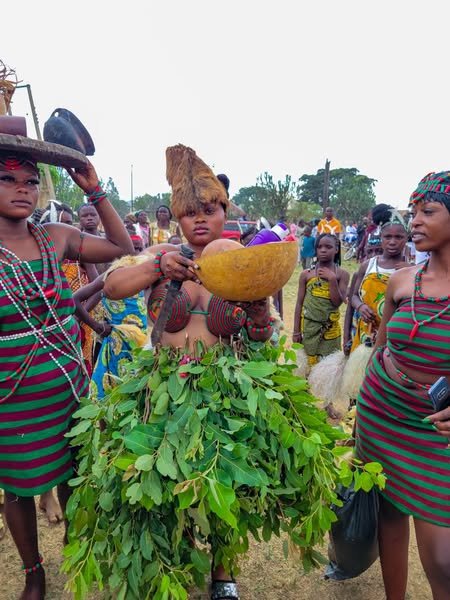
 Berom Breed



A Berom Folktale of Legacy, Greed, and Redemption
I. The Hill of Ancestors
Before the world grew loud and greedy, when the drums still ruled the wind and the rain still listened to prayers, there stood a powerful Gutwa atop the sacred hill of Rim-gwot—a stone that sang only to the pure in heart.
The people called it Gùtwa Lwɛlɛ—The Singing Stone.
No one carved it, no one built it. It had always been there, older than names. The elders said it carried the memory of the Berom people; that when you placed your hand upon it with the right heart, it would hum back—a song of unity, peace, and strength.
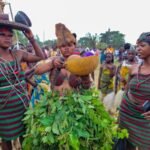
And every year, during the Ashar festival, the people of Kuraku village would climb Rim-gwot barefoot, carrying drums, ngar, calabashes of kunu, and baskets of roasted awushe and ganda. They danced, sang, and offered thanks to the Creator and to the ancestors.
But over the years, something shifted. Fewer people came. The songs grew shorter. Some forgot the path to the hill entirely.
II. The Boy and the Storyteller

In a quiet clay house by the river, a boy named Bot lived with his grandmother, Ngo Isha. Ngo Isha was wrinkled like old bark, yet her voice could silence a crowd of rowdy boys with a single ahem. Her stories, passed down from her mother’s mother, were sharp, wise, and full of fire.
Bot was her only grandchild. His parents had died during the “Great Fire of Bokkos,” a tragedy caused by a jealous man who tried to burn down a rival’s barn but ended up setting the whole community aflame.
Bot was small but fierce, with sharp eyes and a heart full of questions.
“Mama Isha,” he asked one evening as she stirred millet porridge,
“Did Gùtwa Lwɛlɛ ever sing for you?”
She smiled and touched her faded tribal marks.
“Yes. I was just a girl. I placed my ear on the stone… and I heard it—like a drum wrapped in wind.”
“What did it sing?”
“Truth,” she whispered. “And warning. It sang of what would come if we forgot who we are.”
III. The Man With Silver Promises
Then came Mista Bala.
He arrived during the dry season, when hunger sat with every family and the rivers were shy. He came in black-tinted jeeps, wore polished Italian shoes that never touched dust, and carried promises like ripe pawpaw.
He called a meeting in the village square and brought bags of rice, cartons of Indomie, and shiny printed brochures.
“I want to invest in your village,” he said with a smile too wide.
“Tourism, schools, hospitals, even electricity. But for that to happen, I need access to the hill. The stone up there could attract scientists and visitors from all over the world!”
Some elders clapped. Others raised eyebrows.
“That hill is sacred,” muttered Ngo Isha, her eyes narrowing.
“Ah Mama,” Mista Bala chuckled, “we can honor tradition and still move forward. Isn’t it time Kuraku modernized?”
A few greedy elders—Elder Pam, Elder Lantok, and Elder Gyang—secretly met with Bala that night. They took bribes: bundles of cash, promises of new houses, and jobs for their sons.
By morning, the path to Gùtwa Lwɛlɛ was fenced.
IV. When the Songs Died

Strange things began to happen.
The rain refused to fall. Goats gave birth to kids with closed eyes. A child fell sick, then another, then five. The river, once loud and joyful, dried into a narrow, silent line.
“The Gutwa is silent,” the people whispered.
“We have angered the land.”
But Elder Pam laughed.
“You people are too superstitious! There is no connection. Let Bala build the resort!”
Even the youth forgot. They gathered in loud drinking joints, played foreign music, and mocked the elders who still wore riga and beat drums.
But Bot remembered.
He remembered his grandmother’s songs, her stories, and the way her eyes glistened when she spoke of Gùtwa Lwɛlɛ.
“Why don’t we go to the hill again, Mama?” he asked one day.
“Because they have sold it,” she replied bitterly. “And with it, our voice.”
V. The Night the Stone Sang
One dark night, as harmattan dust blanketed the stars, Bot took his grandmother’s old ashar drum, tied it to his back, and climbed the hill alone. He passed the electric fences, crept past guards who slept like fools, and stood before the great stone.
It was larger than he’d imagined, quiet, cracked—but still breathing.
He placed both hands on it, closed his eyes, and began to hum.
Softly at first—an old ashar of the harvest moon. His voice cracked, but he continued. He beat the drum once… twice…
Then it happened.
The stone hummed back.
The ground trembled slightly. A gust of warm wind burst through the hilltop. The trees bent in respect. The stars seemed to blink.
And then—Gùtwa Lwɛlɛ sang.
A deep, ancient, powerful sound. Not words—but truth. Not melody—but meaning. The sound wrapped itself around Bot like a blanket. It sang of strength, warning, memory, and pride.
The machines on the hill short-circuited. Alarms blared. The guards ran.
In the village, babies stopped crying.
The river gushed to life.
The drums began to beat in every heart.
VI. Awakening
By sunrise, the entire village had gathered at the hill, led by the old women and drummers.
Mista Bala stood in disbelief.
“What kind of backward magic is this?!”
But no one answered him. Instead, the people turned to the greedy elders.
“You have signed our soul away,” shouted a young woman.
“But the land has rejected your signature!”
The elders wept.
Mista Bala fled.
And Ngo Isha, now carried on the shoulders of the youth, placed her hand on the stone and whispered,
“Nyam l’wɛlɛ. Welcome back.”
VII. The Legacy
From that day, the people of Kuraku restored the Ashar Festival.
The youth built a Gùtwa Academy to teach Berom songs, stories, and drum rhythms.
Children were taken to the hill not just to sing, but to listen.
Bot became a teacher and guardian of the stone, and his story was passed on to every Berom child:
“There was once a boy who made the land sing again.”
Moral Lessons
A people who sell their culture sell their future.
Not every blessing comes in a briefcase.
When elders fail, the youth must rise.
True power lies not in money, but in memory.
💬 Berom Breed Call to Action:
The Gutwa has sung. Will you listen?
Let the Ashar rise. Let the land breathe.
Let our youth become like Bot—bold, rooted, and ready.
Drop a 🪘 if you’re still connected to Gùtwa Lwɛlɛ.
GùtwaLwɛlɛ #BeromBreed #AsharRising #CultureNeverDies #GuardTheLegacy
About the Author