 Berom Breed
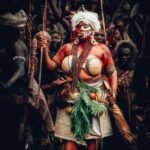
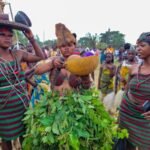
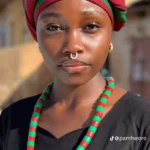
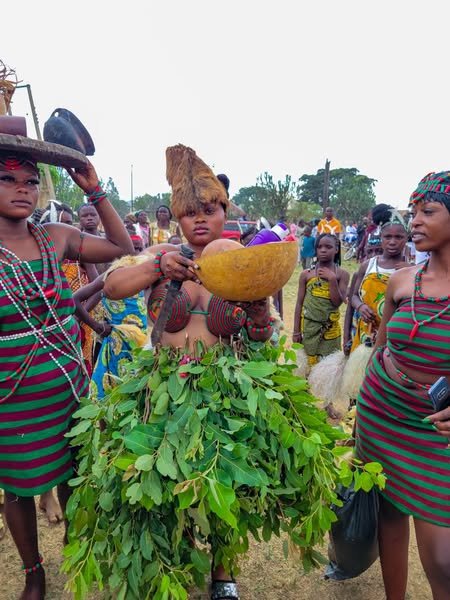
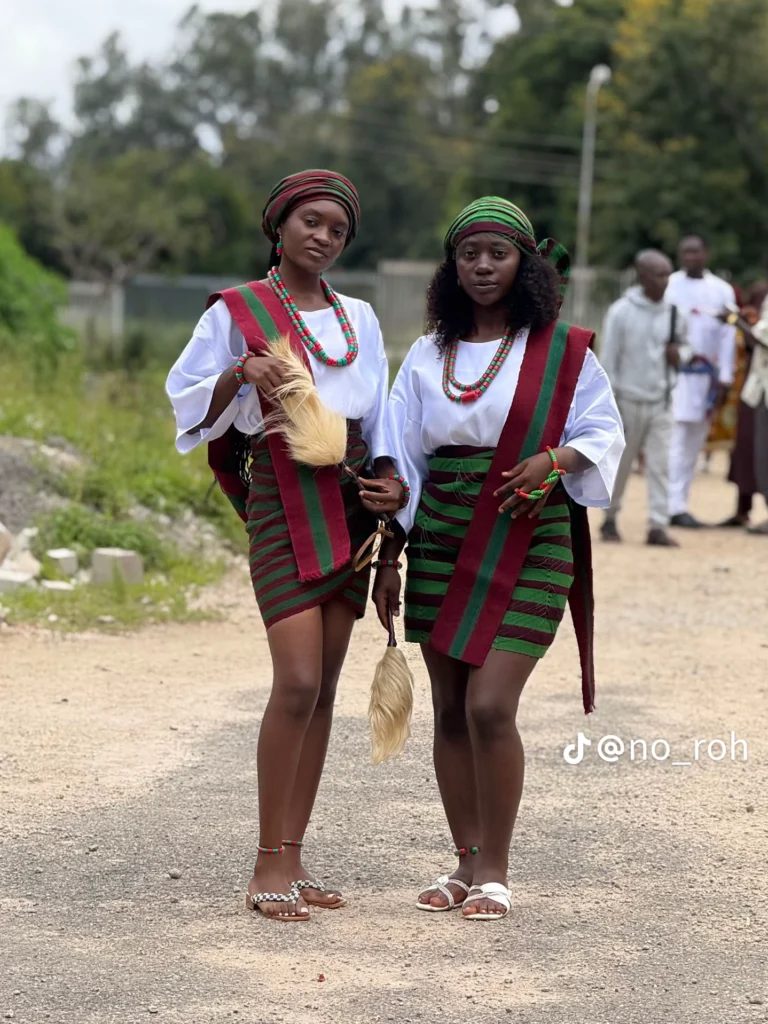
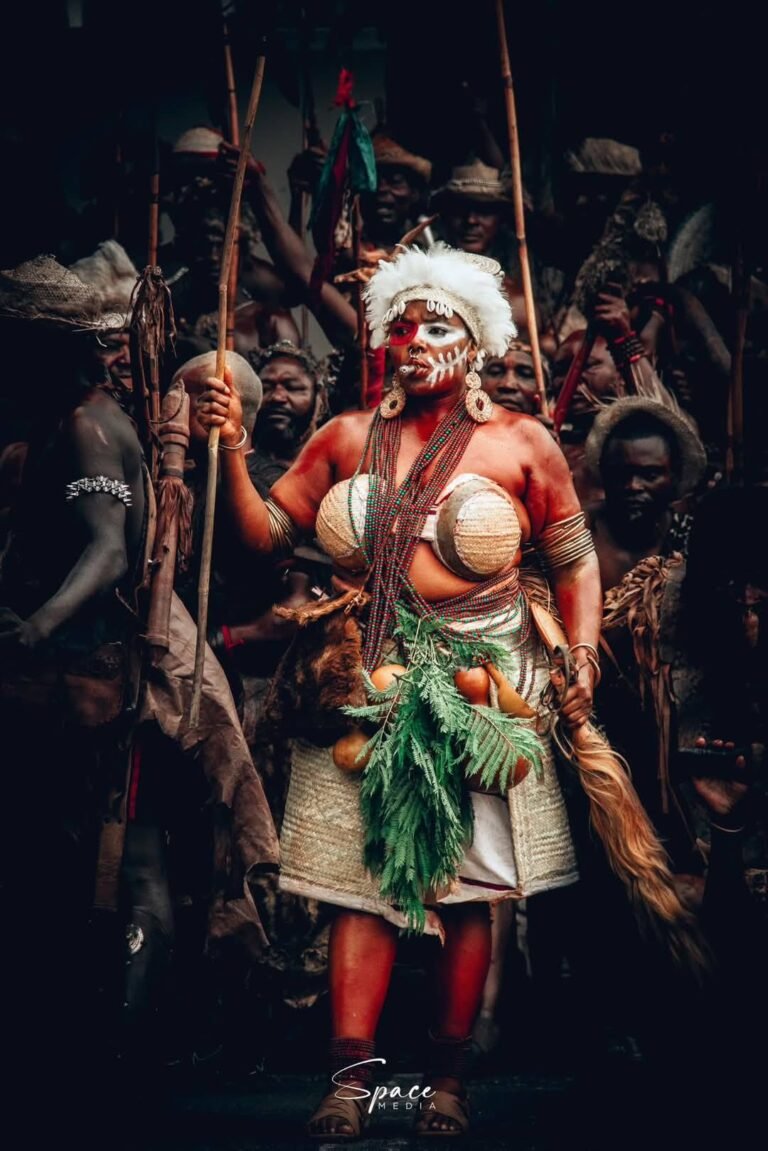
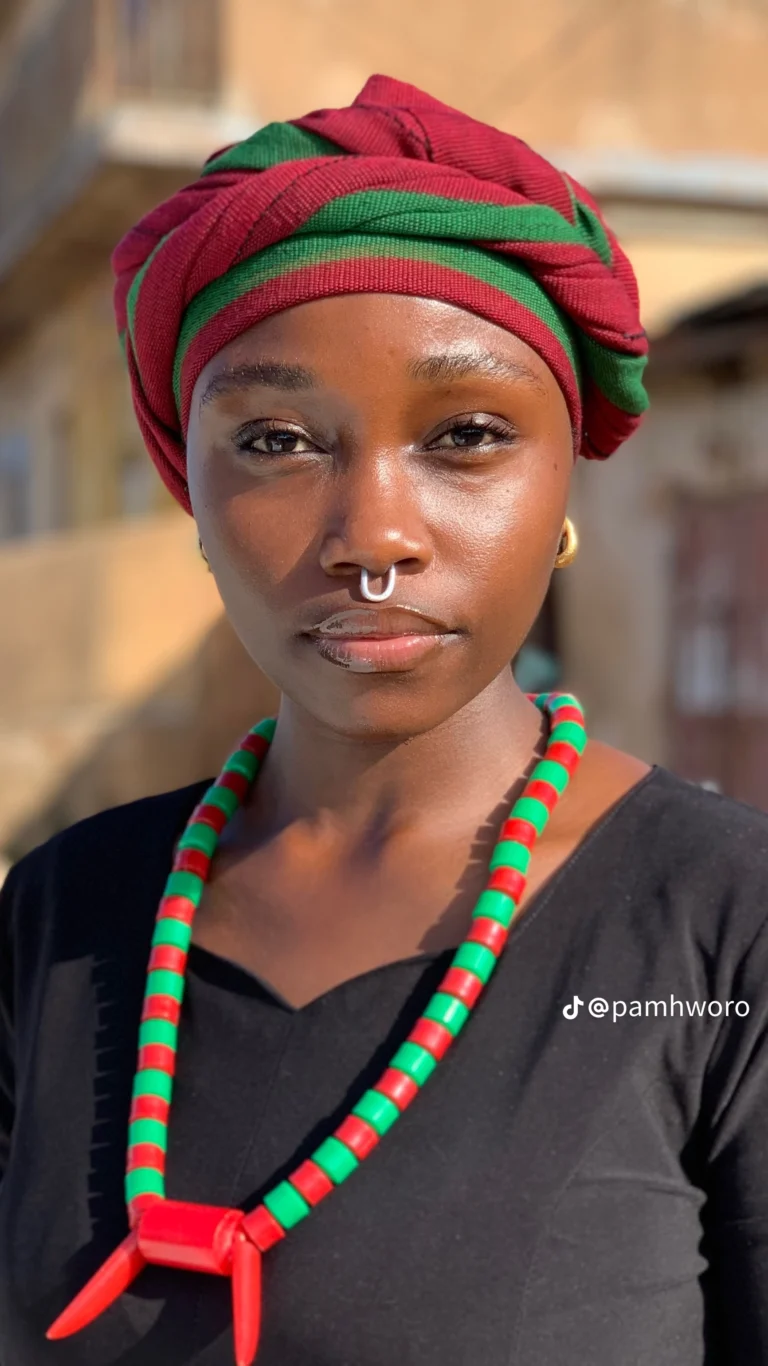
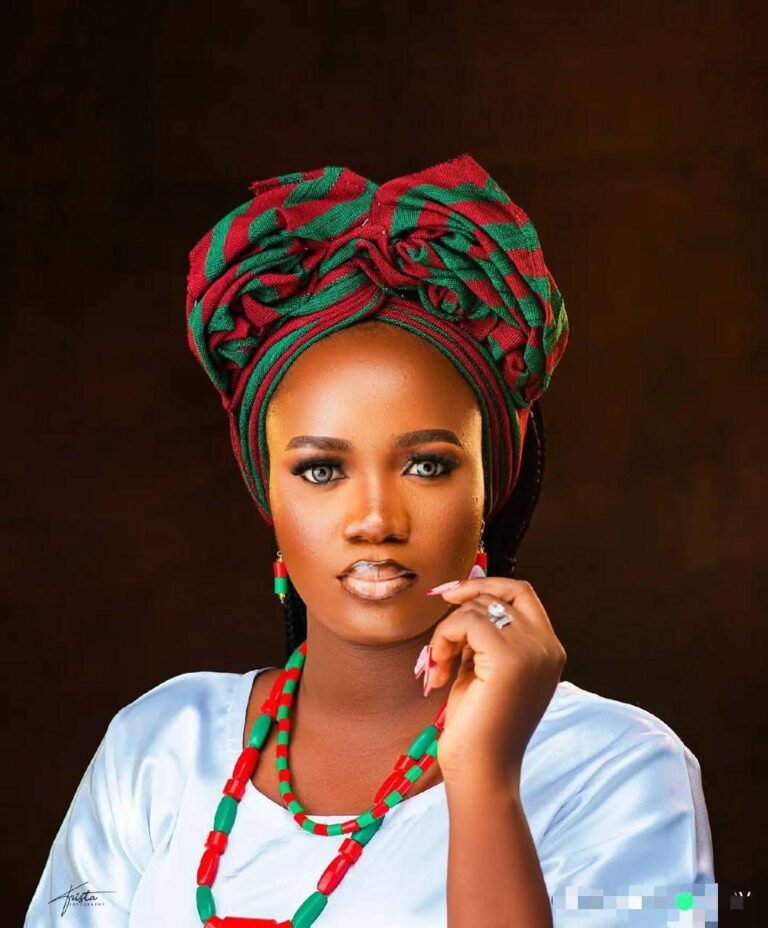
Mandyeng is a highly significant thanksgiving festival which is celebrated amongst the Berom people annually between the month of March and April. In ether to signal a new beginning,the beginning of raining and planting season.Mandyeng in different parts of Berom land is also known as: Nshok” or “Badu”During the Mandyeng celebration,prayers(won) of thanksgiving are offered to God for blessing the Berom people with “jama” (game), rainfall,bumper harvest, children, gift of friendship and the absence of diseases and war in the past years. The prayers (won) were sincerely offered to beseech the benevolence of God (Darwey Dagwi)in sending and sustaining a generous downpour at the beginning and through the duration of the cropping season.Furthermore, the festival is deliberately aimed at developing new friendship through the exchange of gifts and visitation and also to celebrate and contact new marriages as it were. This strengthened relationship amongst the Berom people.
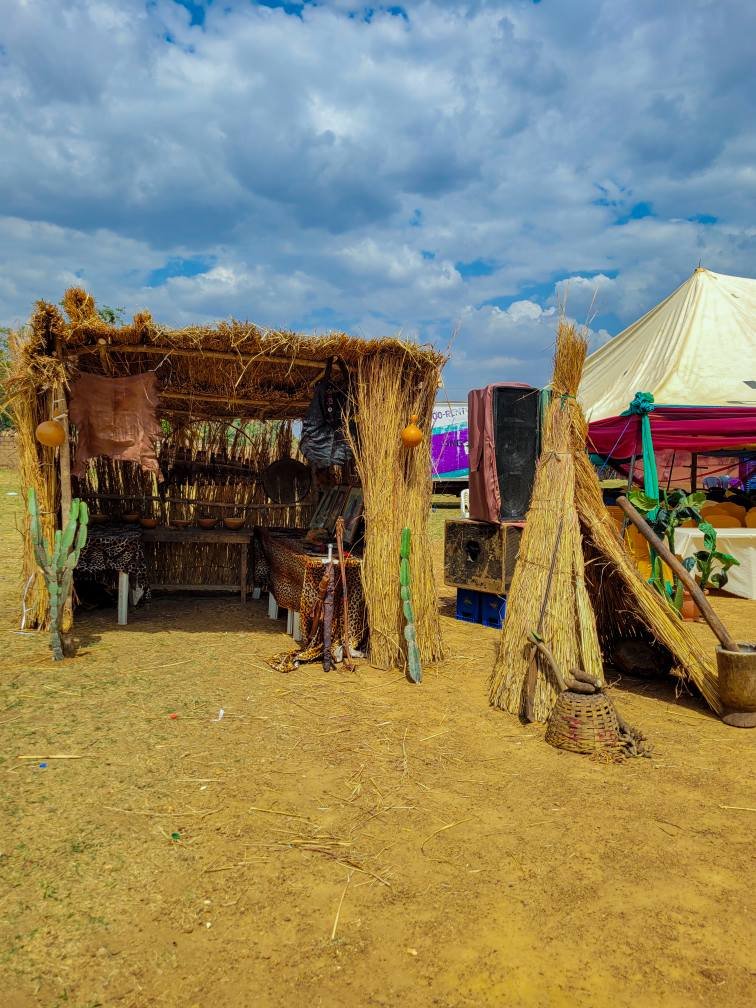
The celebration of Mandyeng has witness changes from pre-colonial, colonial and post-colonial eras most especially with the advent of Christianity.In the pre colonial era the Berom people held farming and hunting in high esteem and so it became worthwhile to celebrate them and perhaps this is aIso the reason why that have all been incorporated into the Mandyeng festival.The celebration of Mandyeng is usually doneat the chief’s palace with various groups of youngmen and older men and women performing invarious dances. Eating of meat and assorted Berom traditional food and drinking of wine (vwere or siring). Mandyeng is one of the major festival inBerom land,it is not celebrated across all the villagesof the Berom nation Mandyeng kuru was celebrated in pre colonial period in tandem with Riyom, Fwil,Vwang. Chugwi, Gyel and Zawan Other communities in Berom land which do not celebrate the Mandyeng festival celebrates either “Nshok” or “Badu” which literally means the same thing With the advent of Nzem Berom in the 1980s,the Mandyeng festival is observed at the district level and climax with the celebration of Nzem Berom which brings the entire Berom nation together to celebrate the NzemBerom festival
MØK-LAAND MØK MANDYENG
Once a decision has been reached by the Gwom Rwey and his council concerning the date and venue for the Mandyeng, word would be communicated to the mwadmok (town crier) or Loh Mandyeng whose sole responsibility is to pass on the announcement to the community telling them the date of the Mandyeng festival and also simultaneously ordering the preparations of the necessary foods, drinks dances and other necessities that are usually made to precede, accompany follow the actual celebration of the festival. There was usually a sevenor eight-dry interval between the first convocation and the actual celebration of the festival. Interestingly, in very remote times, no such Convocation would have been done without the prior consultation of the Oracle and the performance of kwi (certain rites)by the vwohon (the traditional priest) without him ascertaining the divine will to say no ceremonies would be allowed to begin let allowed be elaborately carried out.
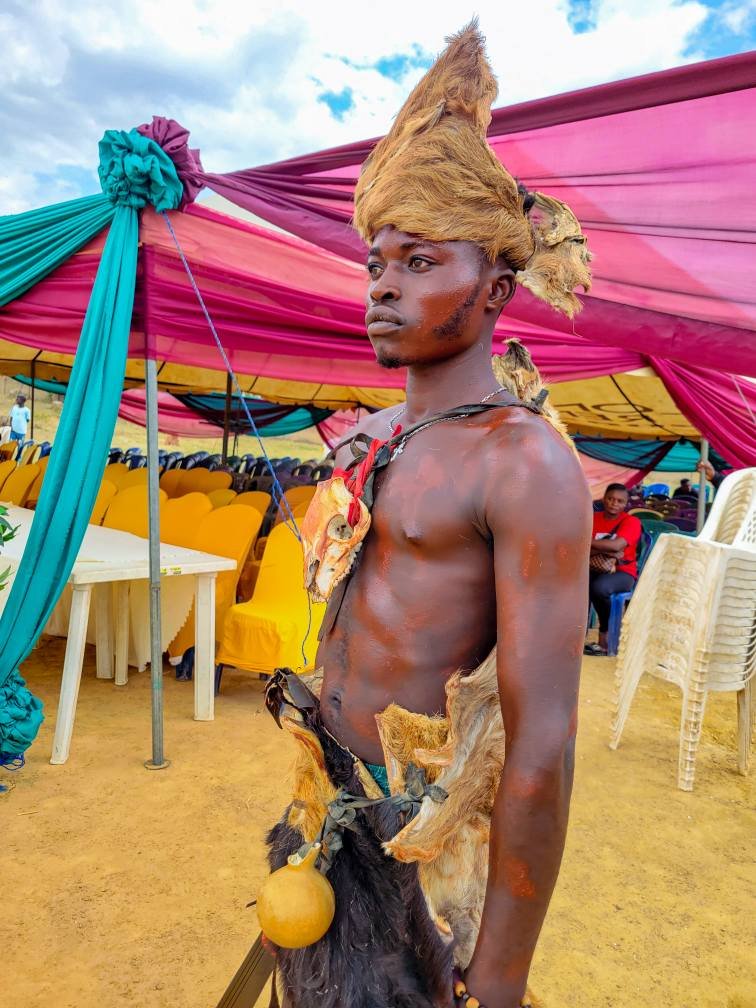
MANDYENG KURU PERSPECTIVE
It is difficult to ascertain the period of time the celebration of Mandyeng started in kuru. It is worthy to note that Mandyeng Kuru was celebrated in the pre-colonial period when the people of Kuru settled in their land. Mandyeng Kuru is usually done in Hwak,Kushe,Danchol,Zangkon, and Kanadap before the grand finale at Dakan Gwom Rwey’s palace. The events that are featured during the Mandyeng festival includes; traditional dances marriages, horse-racing, circumcision, demonstration of farming processes from cultivation to harvest and also merry-making. Even though this practice has changed due to the zeitgeist(spirit of time). Today the practice is one grand finale at the Gwom Rwey’s palace, during which the Mandyeng dance groups from all various villages in Kuru present their dances. The “Wolom chun”ritual is sometimes performed in addition. Mandyeng festival in Kuru is accepted by the church.Our church ministers perform their role as chief priest which is stated earlier. It is the sole responsibility of the Vwohon(chief priest).
#nzemberom2025#berombreed#culture#heritage#JOT#OurIdentity#berom#unity#mandyeng
About the Author