 Berom Breed
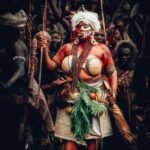
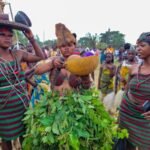

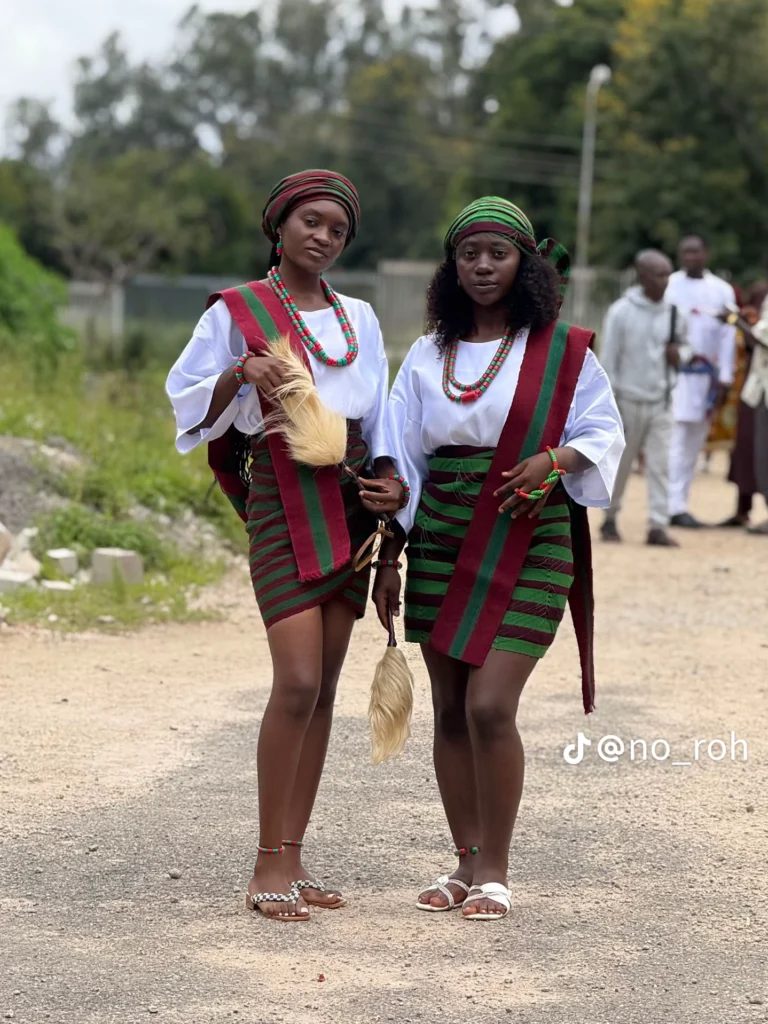
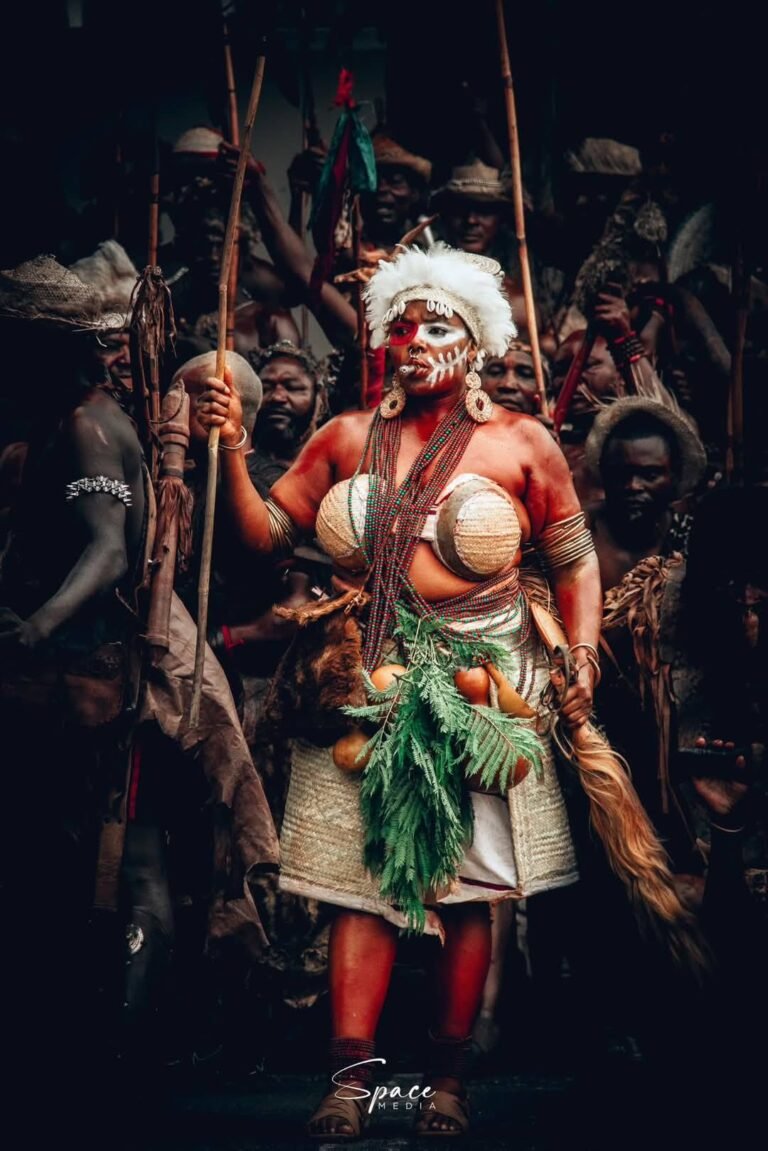
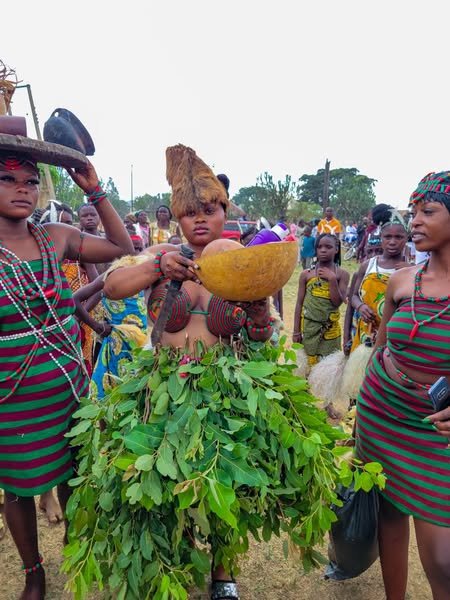
The Berom people of Plateau State are one of the oldest indigenous ethnic groups in Nigeria, historically known for their rich cultural heritage, agricultural prowess, and deep-rooted traditional institutions. As the largest ethnic group in Plateau, the Berom have played a central role in the socio-political evolution of the region, especially in Jos and its environs.
However, the tides of modernization and migration have posed significant challenges to the survival of our traditions.
A Brief Historical Perspective
The Berom trace their history in the Jos Plateau back over 600 years, with archaeological evidence of early settlement patterns in areas like Riyom, Gyel, and Vwang showing ancient iron smelting and farming communities (Source: Nkup, Samuel Gyang, “The Berom People of Plateau State: History and Culture,” 1999).
Our forefathers fought fiercely for land, identity, and self-rule, culminating in significant milestones like the establishment of the Gbong Gwom Jos stool in 1952 during the colonial era—recognized under the leadership of Da Rwang Pam (Source: Olaniyan, R. (1985). “The Amalgamation and its Enemies.”).
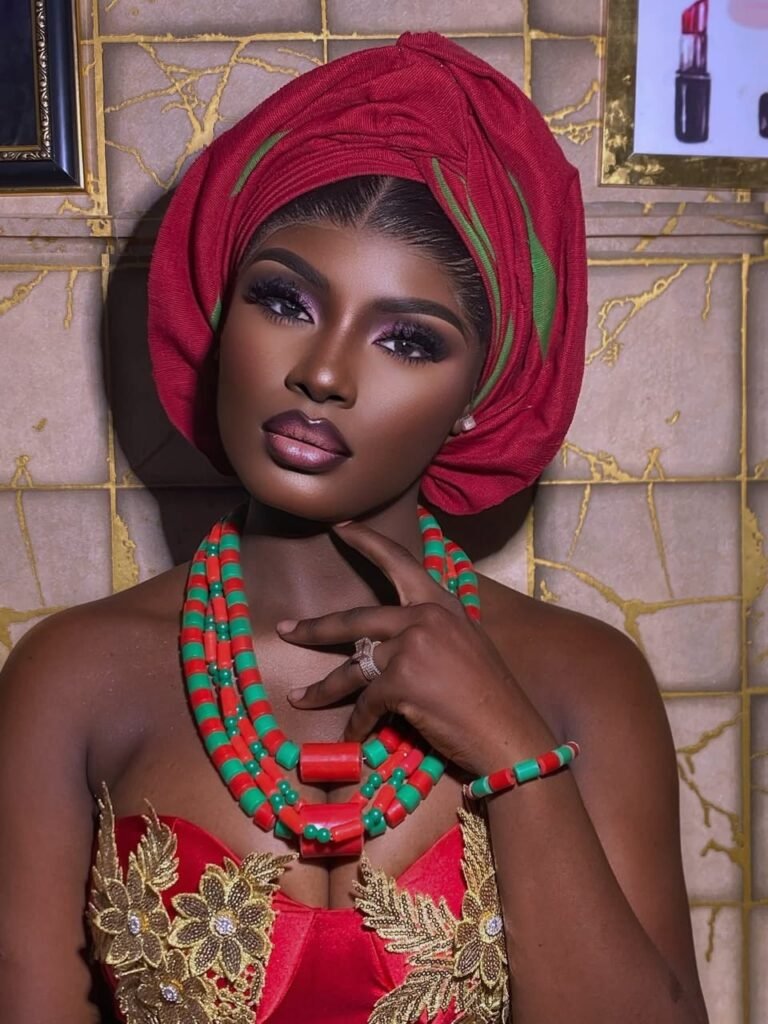
Modernization: A Double-Edged Sword
Modernization, with its emphasis on Western education, religion, technology, and urbanization, has brought undeniable benefits to the Berom—improved literacy, access to healthcare, economic opportunities, and political influence.
But at what cost?
Loss of Language: The Berom language (n’Berom) is gradually losing its grip on the younger generation. In a 2016 survey by the Berom Educational and Cultural Organisation (BECO), over 65% of Berom youths in Jos North and Jos South admitted they couldn’t speak or write their language fluently.
Decline of Traditional Festivals: Events like Nzem Berom, once a grand celebration of culture, hunting skills, and community bonding, now struggle to attract the participation of Berom youths who see it as “old-fashioned.”
Erosion of Traditional Governance: The Gbong Gwom institution, once the unquestionable seat of Berom authority, faces increasing pressure from modern political structures, party politics, and diminishing respect among some sections of the youth.
Migration: The Scattering of a People
The economic hardship, insecurity, and search for better opportunities have led many Berom youths to migrate to cities like Abuja, Lagos, Kaduna, and even outside Nigeria.
Community Disconnection: Diaspora Beroms often find themselves disconnected from their roots. Cultural rites like initiation ceremonies, land blessings, and clan meetings are missed, and children born outside Plateau grow up with little to no connection to their heritage.
Cultural Dilution: With intermarriages and exposure to other cultures, traditional Berom names, dress styles, and even food are becoming rare sights among the diaspora.
Land Grabs and Displacement: The long-standing violent conflicts in Plateau State, particularly from 2001 till date, have displaced many Berom communities. For example, the 2001 Jos crisis, the 2010 Dogo Nahawa massacre, and the recurrent attacks in Riyom, Barkin Ladi, and Bokkos have pushed many to migrate, losing ancestral lands in the process (Source: Human Rights Watch Reports, 2011).
The Road Ahead — What Must We Do?
We are at a crossroads. Modernization and migration must not spell the death of our heritage.
✅ Revive the Language: Speak Berom at home, teach it to your children, and use social media platforms to promote the language.
✅ Support Cultural Institutions: Attend festivals like Nzem Berom, support BECO, and engage with traditional leaders.
✅ Document Our Stories: Our elders carry the wisdom of generations. Let’s record, write, and share their stories before they are lost forever.
✅ Diaspora Engagement: Form Berom associations in every city and country where you are. Hold cultural days, meetings, and teach your children their roots.
✅ Guard Our Land: Let us stand united against illegal land sales, encroachment, and exploitation. Land is life to the Berom.
Conclusion — A Call to Action
Our culture is not a relic of the past; it is the identity that binds us. Modernization should empower, not erase us. Migration should expand our influence, not diminish our heritage.
“If the roots die, the tree withers.”
It is time for every Berom youth—whether at home or abroad—to rise with pride, preserve our language, defend our land, uphold our customs, and carry our heritage into the future.
🔴 Berom Breed is here to tell the world: We are not a dying people. We are a living legacy.
Article: Berom Breed
berombreed #jot #ProudlyBerom #culture #heritage #home #berom #unity
About the Author