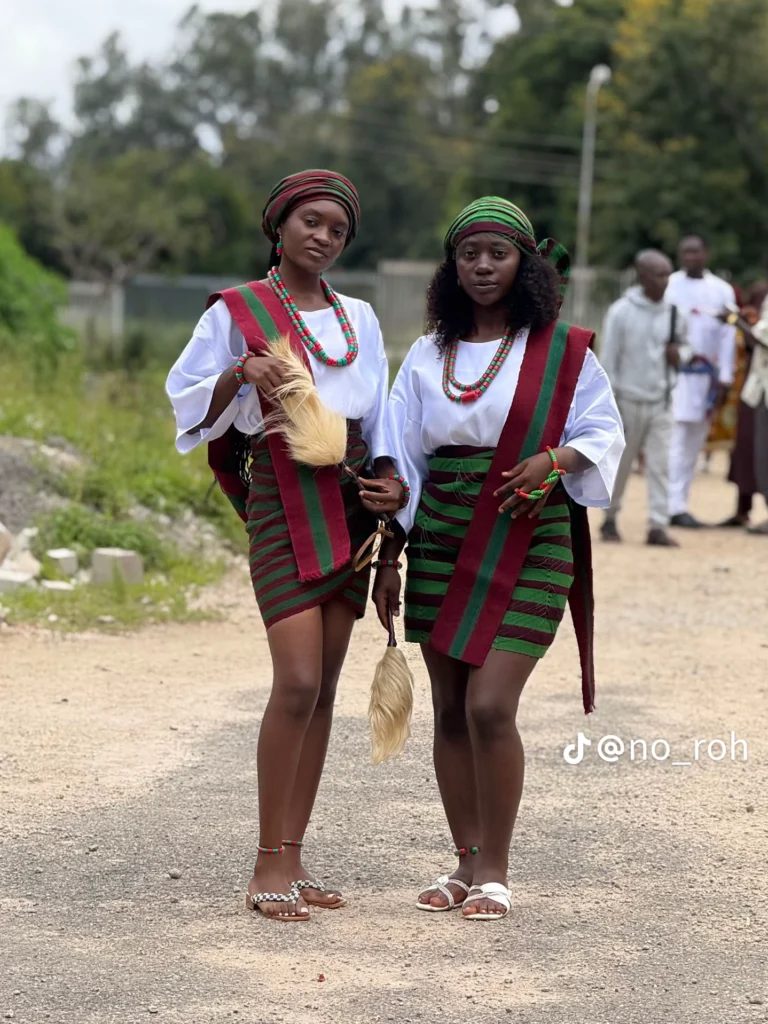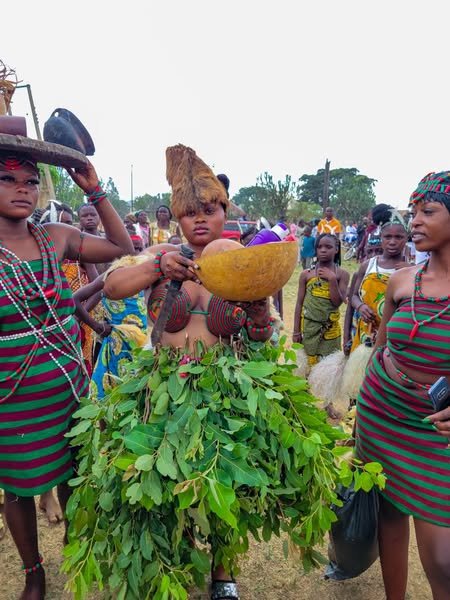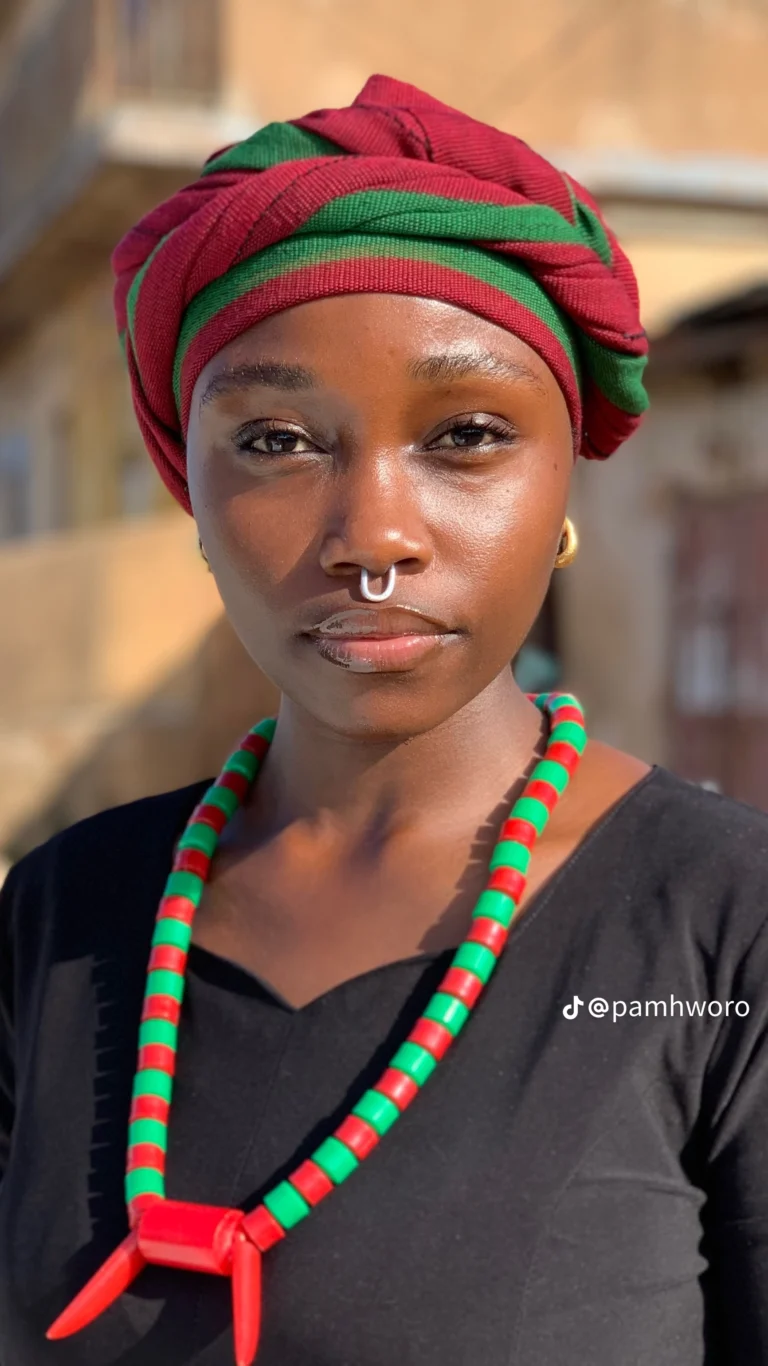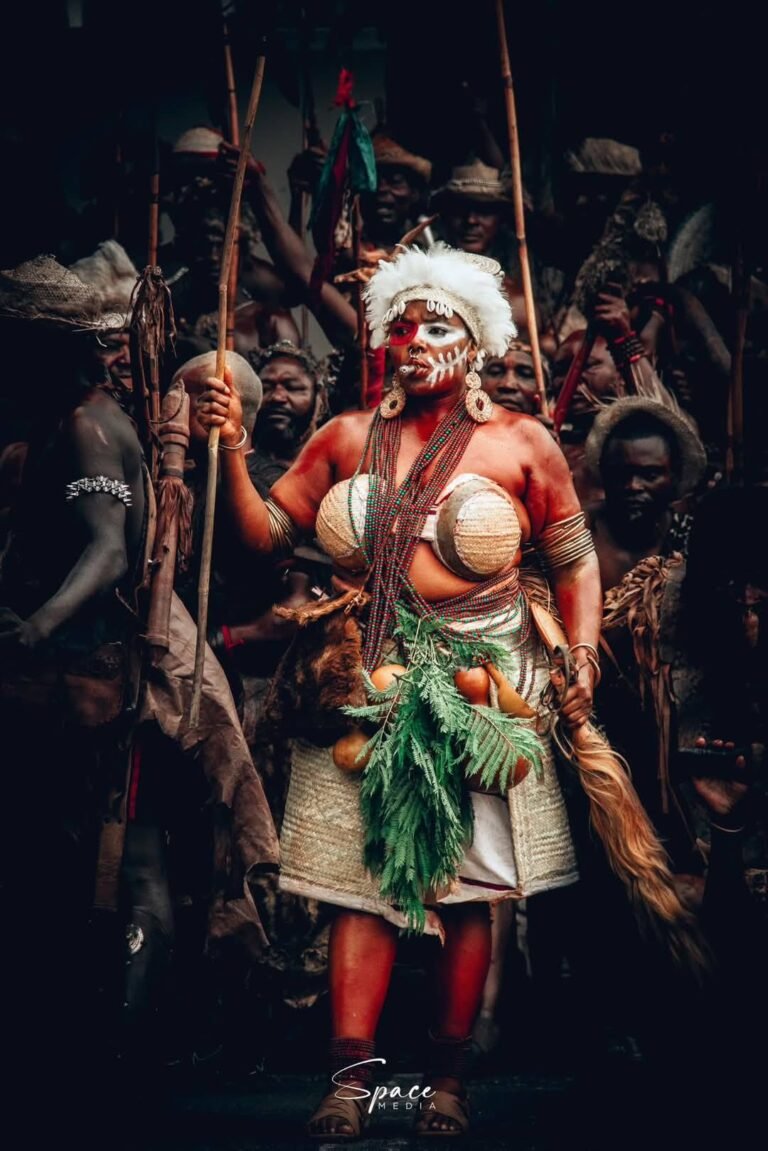
 Berom Breed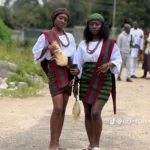

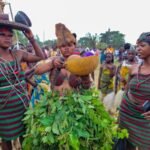

by:Berom Breed
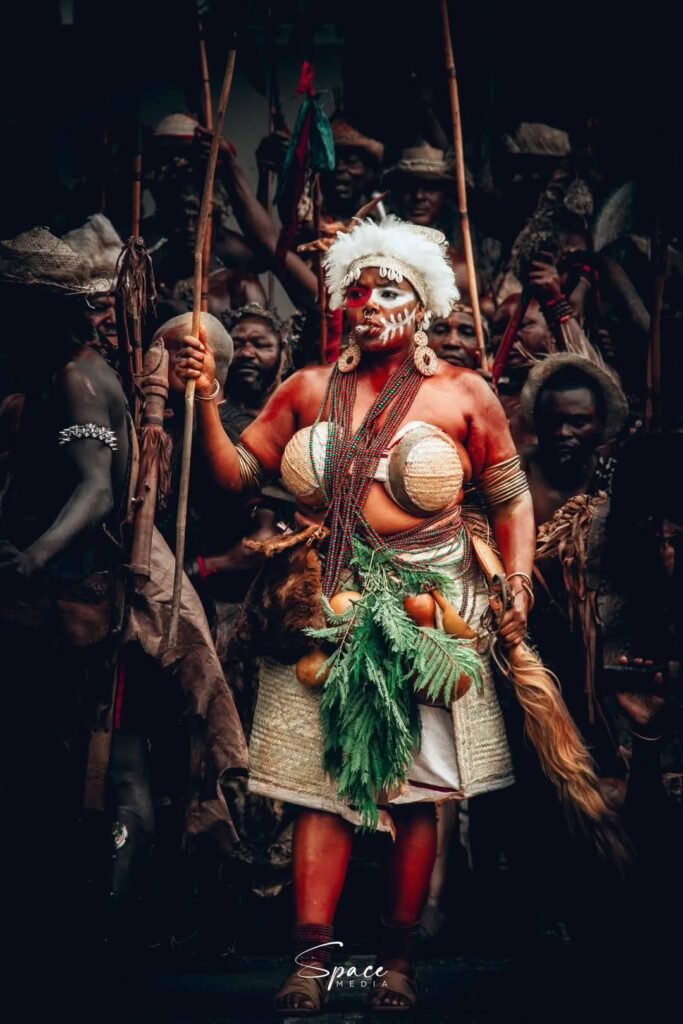
The Berom language (ISO 639-3: bom) is a Plateau branch Benue-Congo language spoken across the Jos Plateau and adjacent areas. Its modern distribution and dialectal pattern are the product of centuries of local settlement, contact with Hausa and English under colonial and post-colonial conditions, missionary literacy programs (Bible translation), and recent urbanization that favors certain centralizing dialects. The language shows productive morphology, established orthographies in missionary and local institutions, and active modern efforts in literacy, Bible translation, and cultural preservation.
Historical classification and geographic spread
Berom belongs to the Plateau group of the Niger-Congo family and is one of the largest indigenous languages on the Jos Plateau. It’s spoken primarily in Jos South, Jos North, Barkin Ladi (Gwol), Riyom and adjoining settlements — with small Berom communities in parts of southern Kaduna. Ethnolinguistic surveys and language descriptions place Berom solidly in the Plateau branch (Benue-Congo). �
Dialects and internal variation
Berom is not homogeneous: several dialects (Foron, Rim, Kuru, Vwang, Gyel, etc.) are documented in linguistic descriptions. Historically missionary work selected Foron/central varieties for early religious literature, which influenced later literacy materials and inter-dialectal norms. Research documents phonological and morphological differences across dialects and notes that dialect leveling occurs especially among urban speakers. �
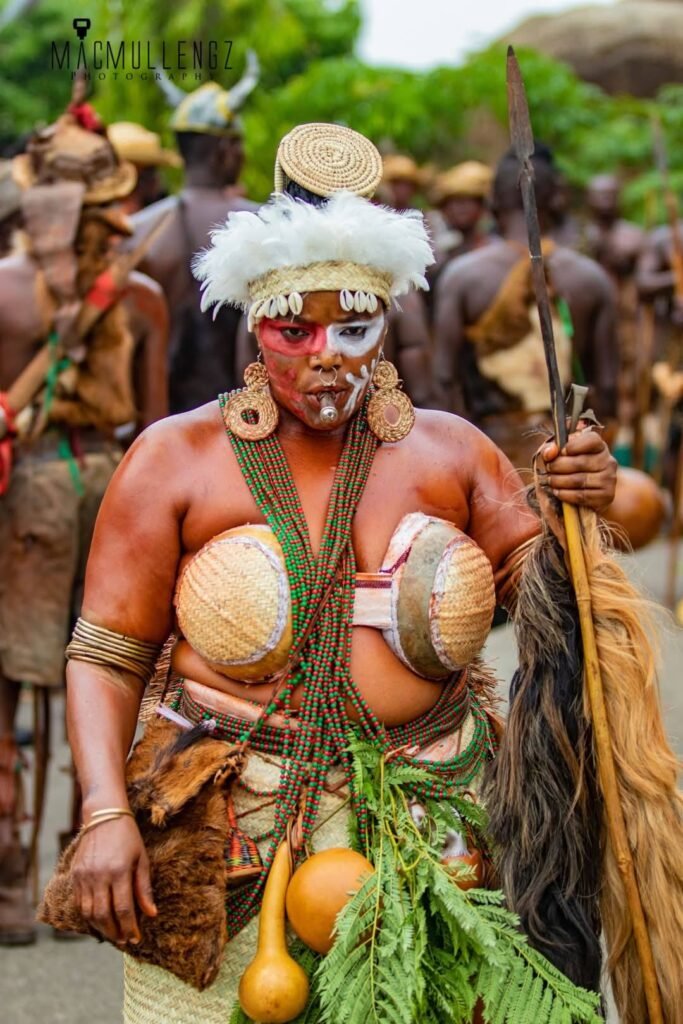
Morphology, phonology, and orthography
Academic studies show Berom employs affixation and compounding; plural markers and nominalization are marked with prefixes (e.g., be-, n-), and Berom has a tone system typical of Plateau languages. Orthographies have been standardized enough for Bible translation and teaching materials; the Berom Bible and other apps demonstrate a working written standard used in churches and communities. Work by linguists such as Roger Blench and local scholars summarizes the phonology and supports orthography recommendations. �
Language contact, shift, and threat vectors
Hausa (an Afro-asiatic lingua franca) and English exert intense pressure. In urban Jos the practical use of Hausa/English in markets, schooling and interethnic communication has reduced intergenerational transmission in some households, though churches and cultural organizations (e.g., BECO, BLTB) actively promote Berom literacy and cultural programs. Studies of mother-tongue interference in English from Berom speakers show persistent substrate effects but also suggest the vitality of Berom in many rural communities. �
Contemporary literacy and preservation efforts
The Berom Bible (and associated mobile apps) and translation projects show community investment in literacy and provide language prestige in religious contexts. �
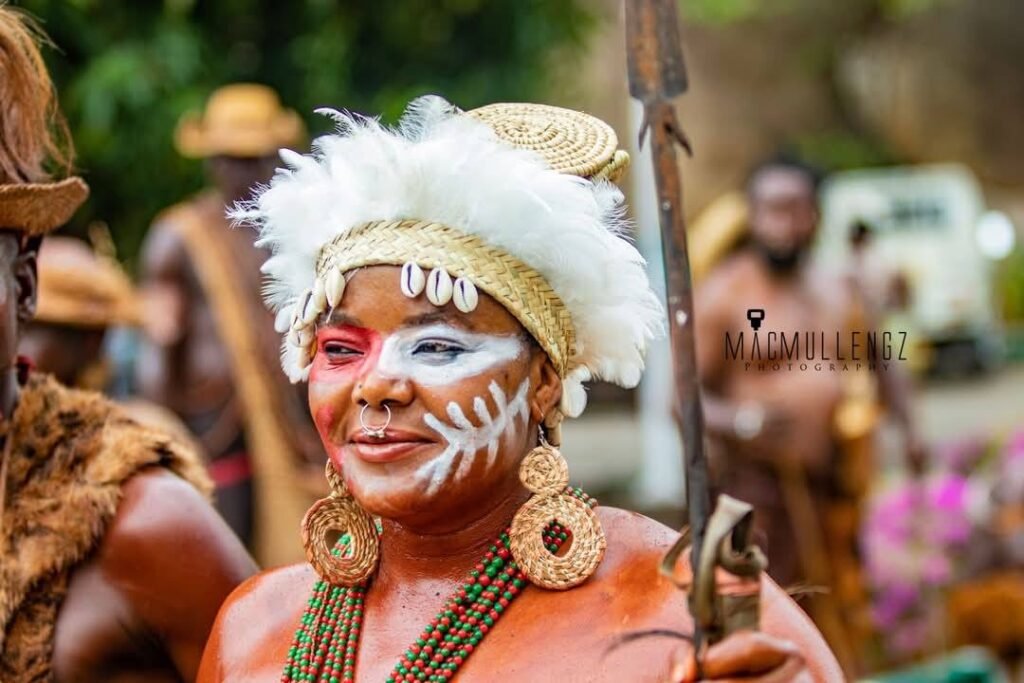
Organizations like the Berom Educational and Cultural Organization (BECO) and Berom language boards support festivals, teaching, and the publication of materials in Berom. �
Key challenges and opportunities
Challenges: urbanization, cross-linguistic marriage, schooling in English, and economic incentives for Hausa/English. Opportunities: strong church networks using Berom, active cultural institutions, digital Bible resources, recent linguistic research to support curricula and media, and festival platforms (Nzem Berom) to raise prestige. Targeted efforts — mother-tongue education initiatives, documented orthography dissemination, digital content creation (radio, apps, social media) — are the highest-impact strategies.
Sources (supporting the facts above)
Ethnologue / Wikipedia summary on Berom people and language. �
Wikipedia
“Reading and Writing Berom” — academic overview (orthography, demographics). �
Academia
Morphological study of Berom (affixation, inflection). �
ResearchGate
Berom Bible and translation resources (YouVersion, Google Play entries). �
YouVersion | The Bible App | Bible.com +1
Roger Blench / Plateau linguistics survey. �
Roger Blench
Studies on mother-tongue interference and literacy. �
ResearchGate
About the Author