 Berom Breed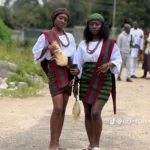
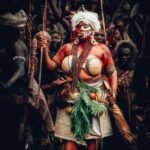
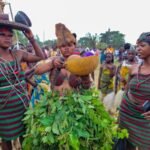
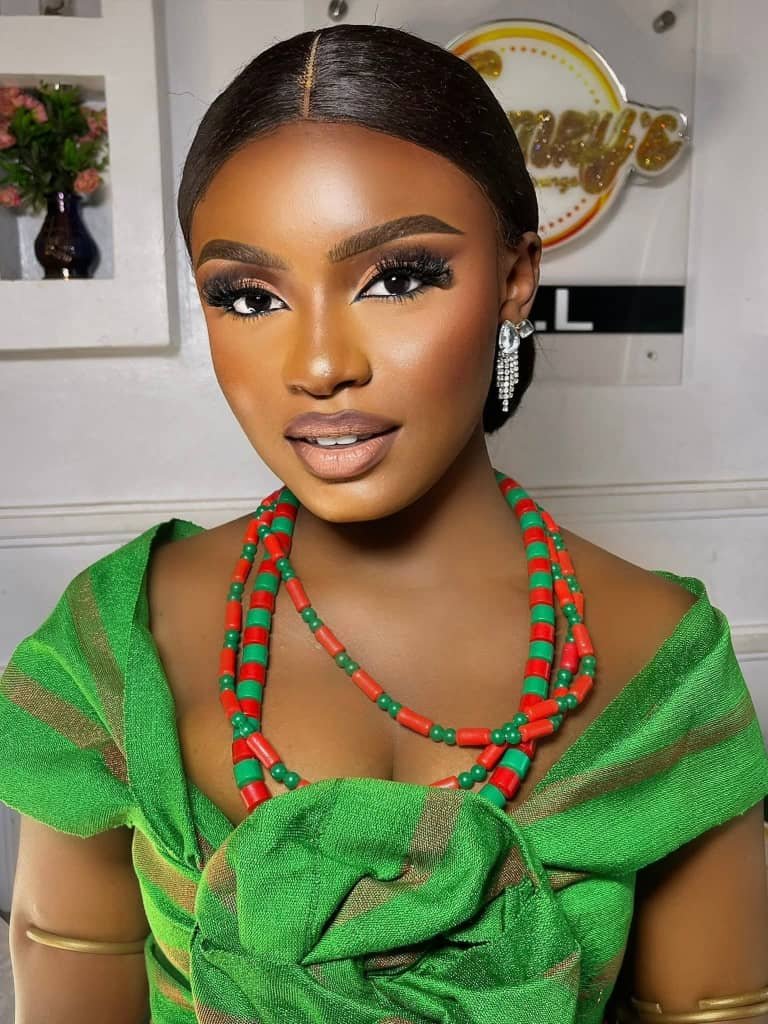
– How Our Ancestors Named Us and Why It Still Matters Today
In Berom culture, a name is never just a name. It is a living symbol, a prophecy, and sometimes even a warning. Names tell stories—stories of strength, survival, nature, animals, seasons, and spiritual insight. They are a way of preserving identity, passing down heritage, and embedding cultural values deep into our bloodlines.
Many Berom names are not only inspired by animals and nature but also by experiences, emotions, seasons, plants, and ancestral expectations. To bear a Berom name is to carry a piece of history and the hopes of your people.
🧠 Why Did Our Ancestors Choose Names This Way?
- To Reflect Character or Destiny – They believed that naming a child after a specific animal or object would help them inherit the traits of that thing.
- To Preserve History – Names often tell of a significant event at the time of a child’s birth—like war, famine, harvest, or family restoration.
- To Connect to Nature and the Spirit Realm – Many Berom names are tied to the environment because the Berom worldview sees everything—animals, rivers, trees—as part of a living, spiritual system.
- To Teach Moral and Social Values – Names were used to train, warn, or guide children by reminding them of courage, wisdom, patience, or danger.
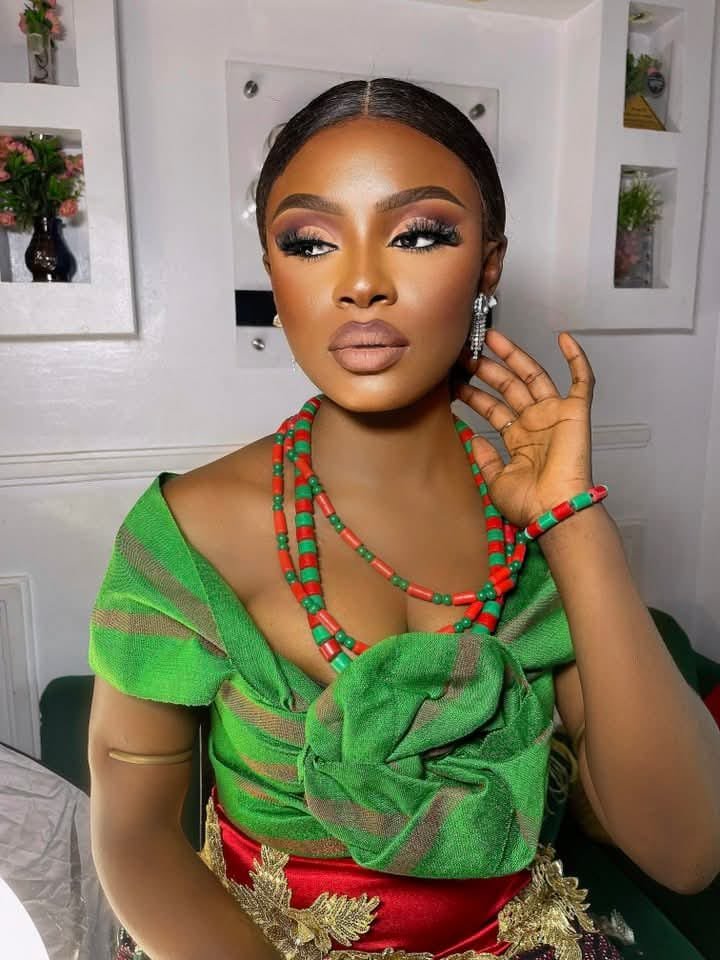
🦁 Names Inspired by Animals and Their Deeper Meanings
Gyang (Male) – Buffalo: Symbol of power, courage, and territorial protection. Females are called Kangyang. They represent strength and unshakable endurance.
Chuwang (Male) – Reindeer: Represents timely purpose, communication, and guidance. A natural-born leader, socially aware and receptive to others.
Bot (Male) – Frog: Symbol of survival, wisdom, and quiet danger. Frogs live both in water and on land—Bot is a survivor who can adapt to any environment. Peaceful but dangerous if provoked.
Chollom / Dachollom (Male), Kachollom (Female) – Roan Antelope: Stands for grace, adventure, intelligence, and emotional depth.
Garose / Karose (Female), Nyam (Unisex) – Antelope: Symbolizes fortune, beauty, unexpected success, and graceful destiny.
Davou (Male), Nvou / Vou (Female) – Deer: Represent watchfulness, fertility, grace, and deep spiritual insight. Ideal for peaceful, wise, and intuitive individuals.
Wash (Male) – Ant: Represents hard work, endurance, and group success. They’re seen as warriors who never quit.
Kaneng (Female) – Ostrich: Sign of joy, playfulness, and social brightness. Brings laughter and creativity to those around her.
Chomo (Unisex) – Warrior/Warfare: Represents resilience, determination, and survival in competitive or hostile situations.
Pwajok (Male) – Hartebeest (Antelope): A sign of beauty, purity, nobility, and grace. Trusted, kind, and fertile in thought and action.
Chundung, Hudung (Female), Dung, Badung, Madung, Mandung (Male) – Equus/Donkey family: These names imply endurance, patience, and strength under hardship.
Kim / Pwakim (Male) – Eagle: A symbol of vision, wisdom, and bold leadership.
Tok (Male) – Fish: Represents abundance, grace, transformation, and wisdom.
🌱 Names Inspired by Plants, Objects, and Nature
Chong / Wang (Male) – Vase: A metaphor for the fountain of life, a source of nourishment, creativity, and purity.
Rwang (Male) – Leaf: Signifies protection, good fortune in hunting, and renewal.
Jang / Njang (Male) – Cactus Sap: The bearer is a protector, firm, resilient, and a shelter for others, but dangerous to enemies.
Fom (Male) – Bauhinia plant: A symbol of healing, unity, and restoration of broken relationships.
Magat (Male) – Parrot: Represents diplomacy, wisdom, and social grace.
Dareng (Male) – Yam: The king of crops, symbolizing abundance, masculinity, and provision.
🌍 Diversity in Berom Naming Traditions
From Fan to Gyel, Foron to Riyom, and Vwang to Zawan, there are slight dialectal differences in the Berom language. This affects how names are pronounced and even the words used for the same thing.
For example:
The Donkey family can be called Dung, Madung, Mandung, Badung, Hudung, or Chundung depending on the region.
The Unicorn is called Chumun, Chung’un, Gachumun, or Kachumun.
These variations enrich the language and deepen the cultural beauty of Berom identity.
💡 Why This Still Matters Today
Reclaiming and understanding Berom names helps us:
Preserve our identity
Celebrate our values
Pass on ancestral wisdom
Connect with nature and spirituality
When you know what your name means, you walk with intentionality and confidence. You carry a legacy.
✨The Meaning and Importance of Berom Names
So the next time someone asks what your name means, don’t just say “it’s a Berom name.” Say:
“It’s my story. It’s my power. It’s my inheritance.”
Names like Gyang, Bot, Chuwang, Pwajok, Nvou, and Chollom are more than syllables. They are ancestral codes, guiding lights, and seeds of greatness planted in us from birth.
Article: Berom Breed
berombreed #jot #ProudlyBerom #culture #heritage #hashtag #home #berom #unity
About the Author