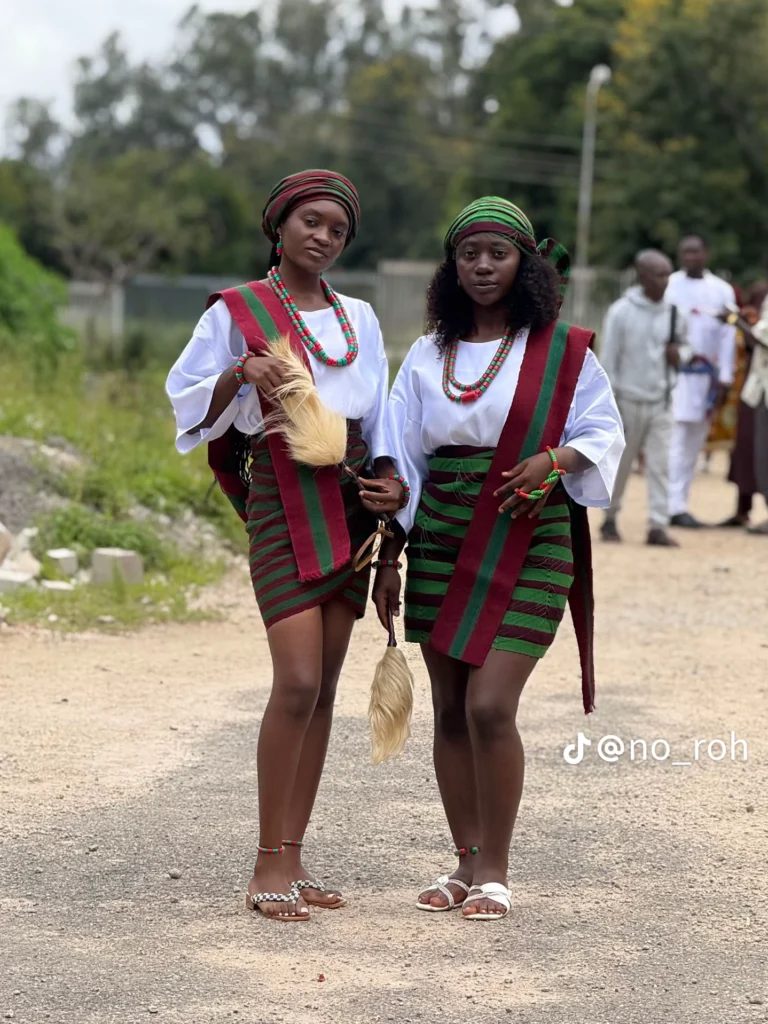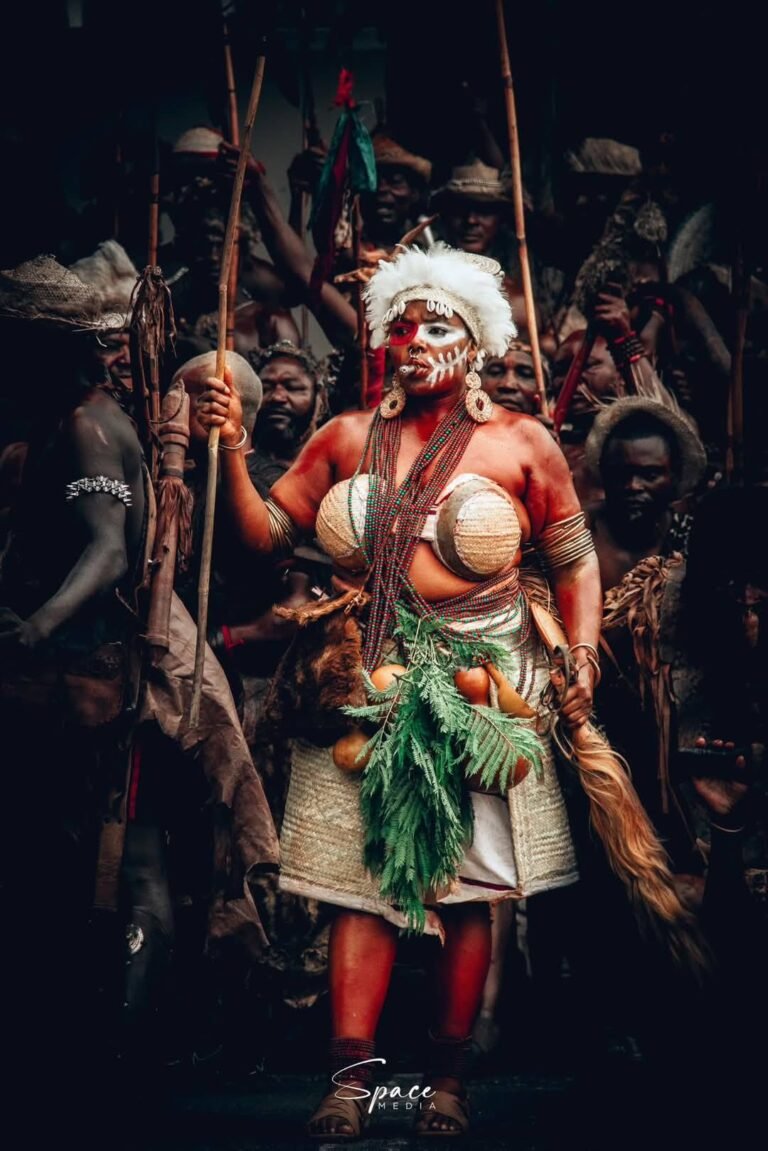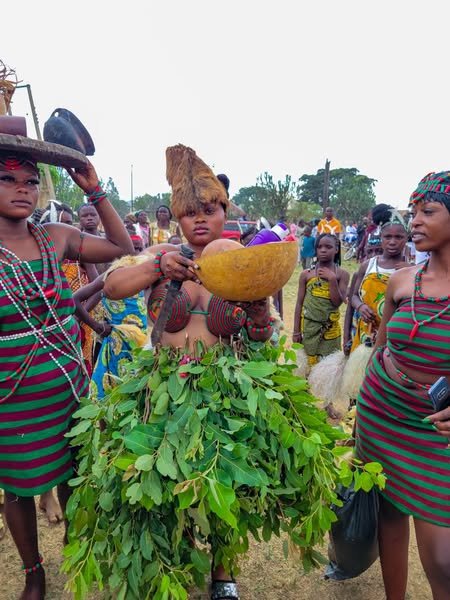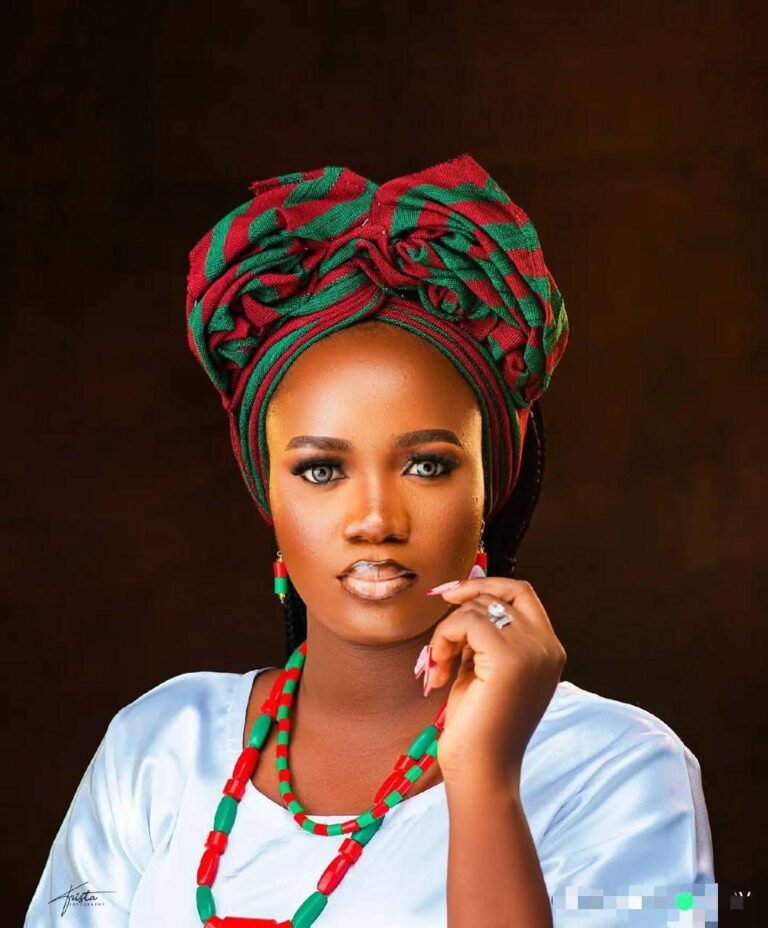
 Berom Breed


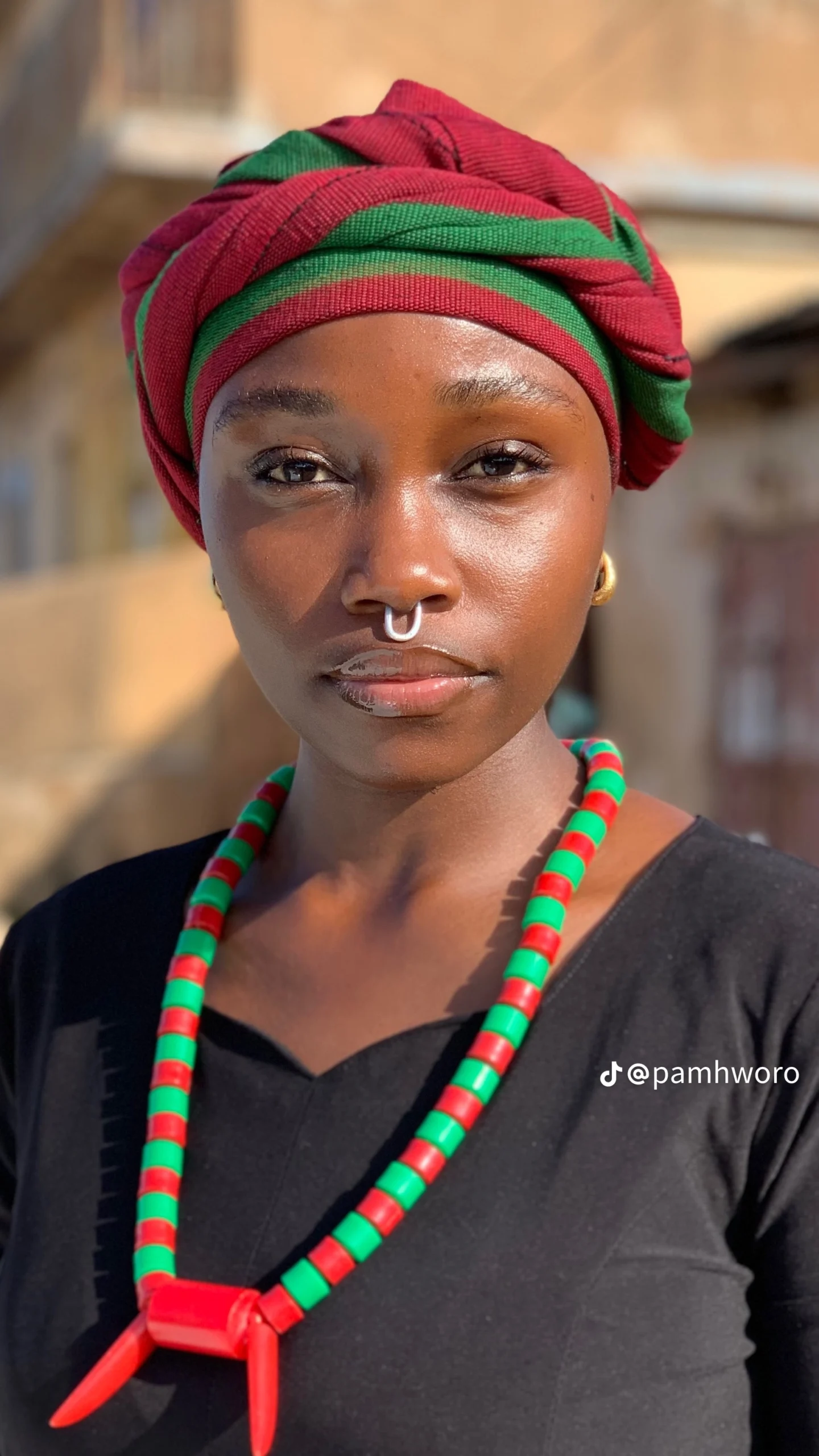
In recent times, there’s been a growing trend, especially among our youth, where the term “Gucci Tribe” is used in place of our true identity — Berom. While it may seem trendy or harmless, it is, in fact, a subtle yet dangerous shift in cultural identity that we must address.
The Berom Nation: A Legacy of Ages
The Berom people are not just a tribe — we are a nation. A people with roots that run deep into the heart of the Jos Plateau. Long before Gucci was ever a concept, the Berom existed. Our ancestors lived, ruled, hunted, farmed, and built communities that have stood the test of time. Oral history and traditional knowledge place the Berom among the original settlers of the Jos Plateau — centuries, even millennia before modern luxury brands came into existence.
Gucci: A Brand with a Birthdate
Founded in 1921 in Florence, Italy, Gucci is barely a century old. It is a fashion brand — a business entity created to generate profit through clothing and accessories. Its influence, while global, is rooted in style, not in substance, culture, or indigenous legacy.
In contrast, the Berom nation is timeless. Our festivals, language (Berom), dance, dress, belief systems, and food reflect a civilization of people who have contributed significantly to agriculture, hospitality, leadership, and peacebuilding — not just in Plateau State, but across Nigeria and the African continent.
Cultural Identity is Power
Every time we refer to ourselves as “Gucci Tribe,” we unconsciously devalue the strength and richness of our identity. We elevate a foreign brand over a native nation. A people who forget their name risk forgetting their purpose.
Names carry power, history, and continuity. “Berom” is not just a label; it is a living testimony of our ancestry and the identity we carry into the future. To replace it with “Gucci” is to invite erasure.
The Danger of Rebranding Ourselves
1. Loss of Cultural Identity: Future generations may grow up knowing “Gucci Tribe” more than “Berom Nation.” This leads to a gradual erasure of our language, history, and pride.
2. Brand Dependency: Associating our identity with a commercial brand puts our legacy at the mercy of that brand’s reputation. What happens if the Gucci brand falters or becomes associated with scandal?
3. Promotion of Foreign Values: The values Gucci promotes — consumerism, luxury, and materialism — can conflict with the communal, ethical, and resilient values of the Berom people.
4. Global Misunderstanding: Outsiders may begin to think “Gucci Tribe” is a real, separate identity. This clouds historical accuracy and makes it harder to preserve our indigenous records.
Call to Action
Let us rise with intentional pride and say:
“We are Berom. Not Gucci Tribe. Not a hashtag. Not a label. A Nation.”
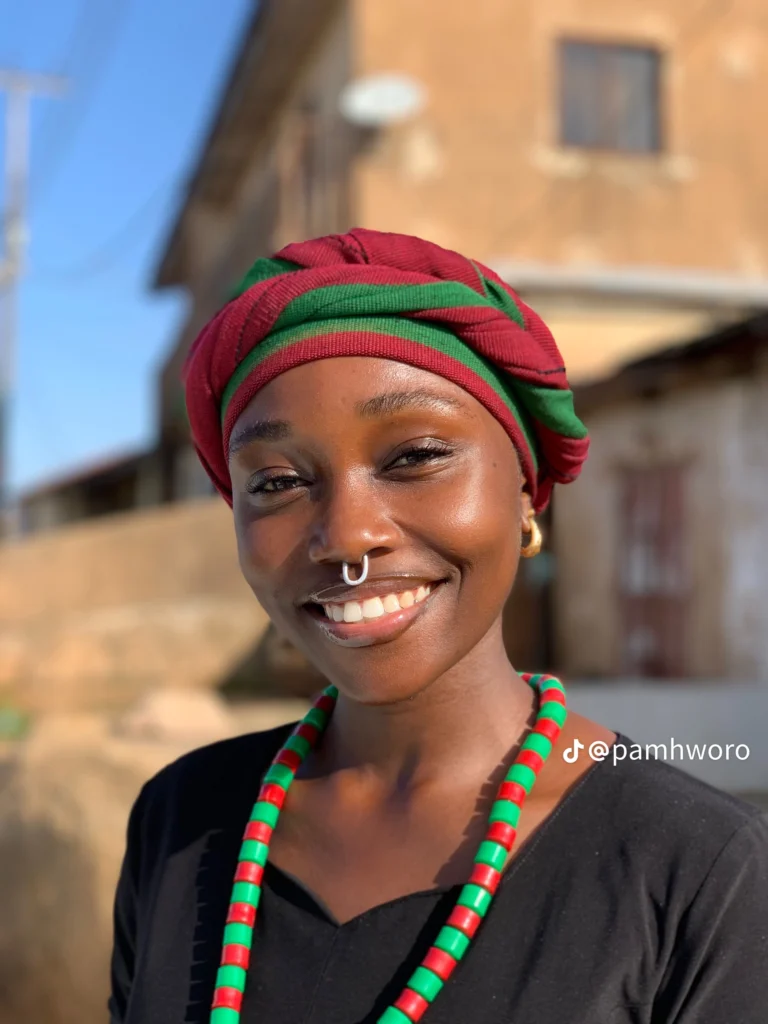
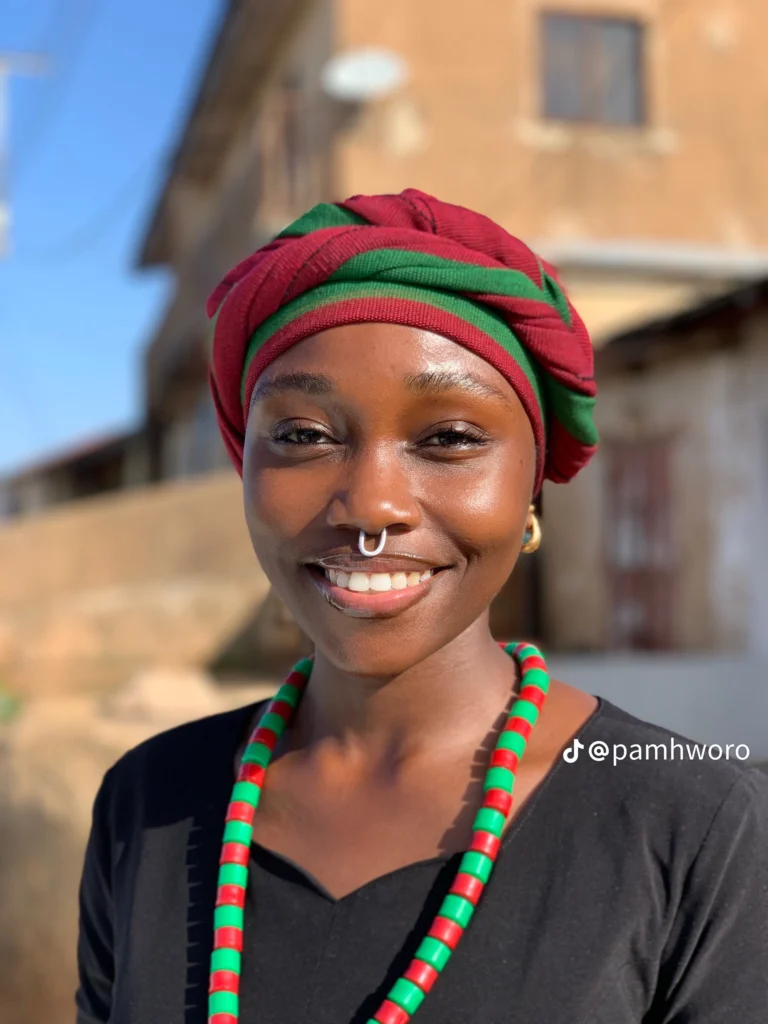
Let us teach our children the meaning of Berom names, the stories of our forefathers, the pride in Nzem Berom, and the legacy of unity and resilience. Let us wear our own traditional attire with pride, speak our language boldly, and correct those who try to reduce us to a fashion trend.
Gucci may come and go, but Berom will remain.
Piece by: Berom Breed
#brombreed#JOT#berombreed#culture#heritage#home#berom#unity
About the Author